Tag: The Icon and the Pall

  • La más educada

    La más educada

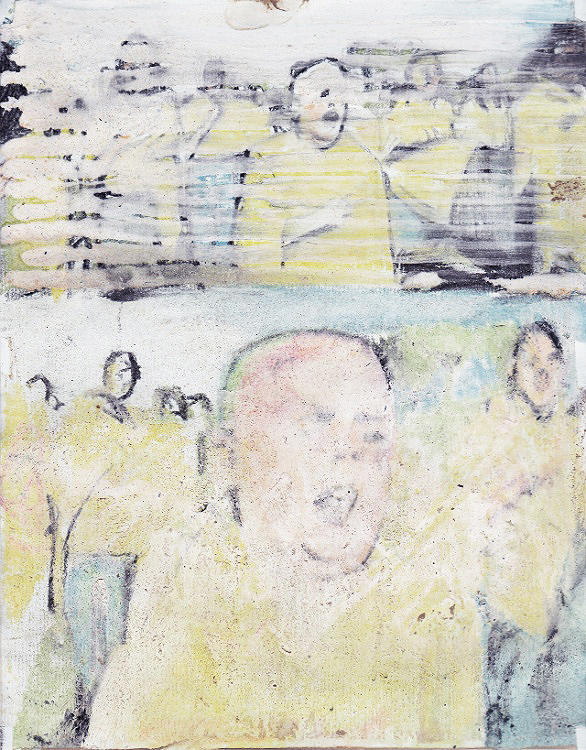
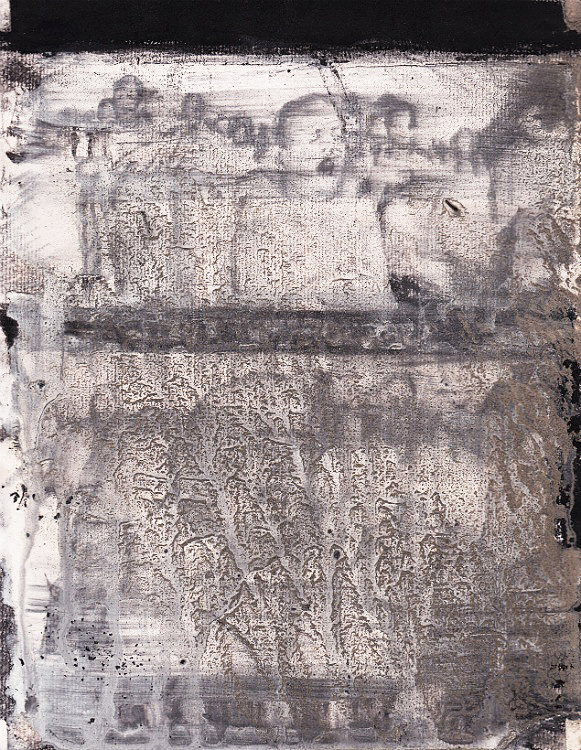
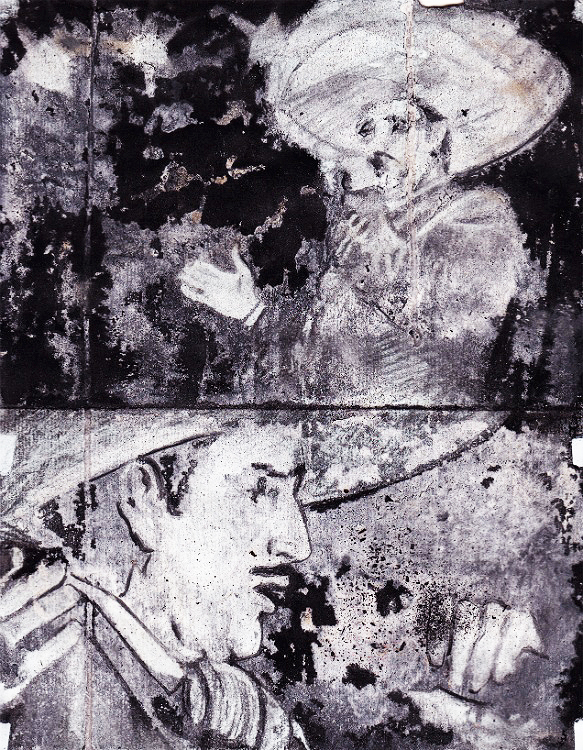
    A series of drawings made for an exhibition entitled La más educada (The Most Educated) organized by Galería LaTienda in 2013. The gallery used the slogan of the regional government‘s development plan (Antioquia the Most Educated) as a point of departure for the exhibition.
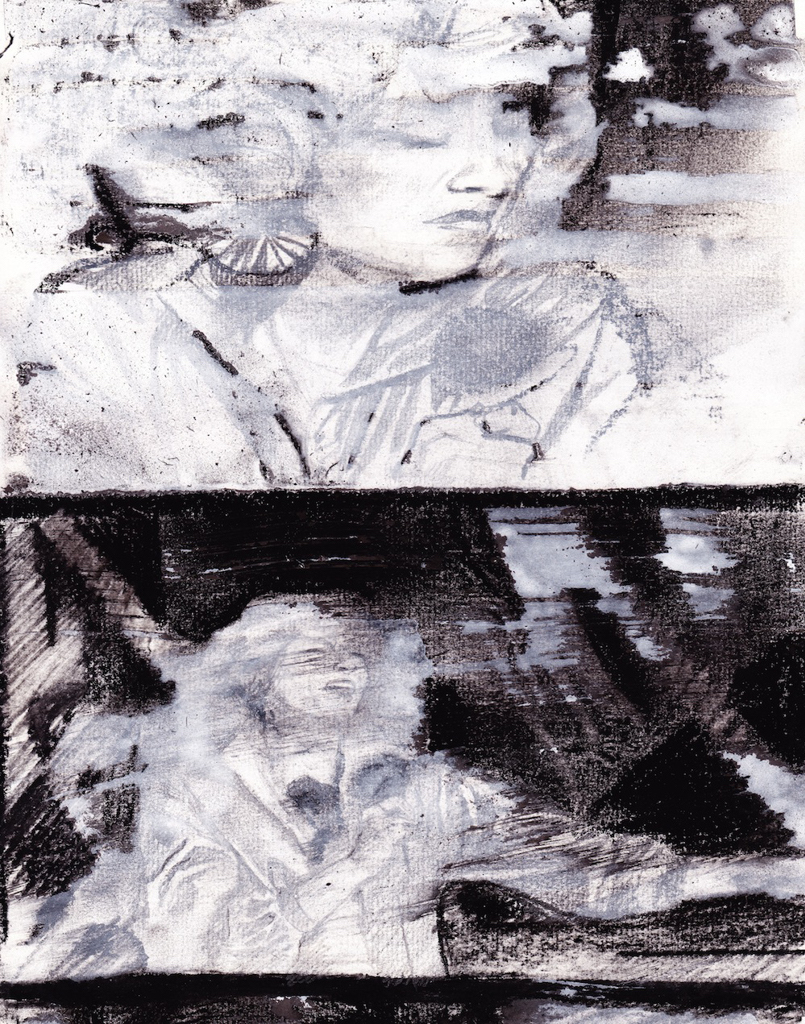
    Selected drawings from the series La más educada.

    Colored chalk, charcoal, and calcium carbonate on paper.

    Made in Colombia in 2013.

    In order from top to bottom:
    Ref. 2 (Cruz de Marihuana),
    Ref. 4 (National Anthem, Color),
    Ref. 1 (National Anthem, Black and White),
    Ref. 5 (Vicente).


    This series consists of drawings based on music videos that correspond to five songs aired consecutively on Radio Cristal starting at 5:45 p.m. on Monday, December 3rd, 2012. Radio Cristal is one of the most listened radio stations in the capital city of the department of Antioquia and it is often blasted in public spaces—including public transportation. Together, these images are an automated portrait of the culture of the city during traffic rush hour, when many people are heading home from work and are commonly exposed to the content of popular radio. The music videos were the following:

    1. Los Gavilanes del Norte – Cruz de Marihuana http://www.youtube.com/watch?v=cjltTc4lShM
    2. Patricia del Valle – A chillar a otra parte http://www.youtube.com/watch?v=JNI0aREAGfk
    3. National Anthem of the Republic of Colombia http://www.youtube.com/watch?v=DGxWfUXftVc
    4. Vicente Fernandez – El Ayudante http://www.youtube.com/watch?feature=player_embedded&v=TpHLtzMLUfs
    5. Pipe Bueno – Esta Vez Te Dejo https://www.youtube.com/watch?v=OjZMu2K6LVQ


    Popular radio stations like Radio Cristal respond to a common need to identify with culture through sound. Further, they communicate messages that resonate with the listener; they reflect the instincts, desires, conventions, and ideologies of the people. They are also part of the environment in which citizens develop as individuals and groups. For this very reason, in 1995, the Colombian government required all radio stations to play the national anthem at least twice daily, and one of those times being specifically at 6:00 p.m.

    In turn, popular music videos are often audio visual renditions of music. Imagery used in these videos, like the music itself, is loaded with messages and codes that comply with and illustrate the instincts, norms, and ideals of the people. La más educada translates the content of this radio station visually, using video stills as a primary source.
    Go back

  • Untitled Installation (Enveloped Objects)

    Untitled Installation (Enveloped Objects)

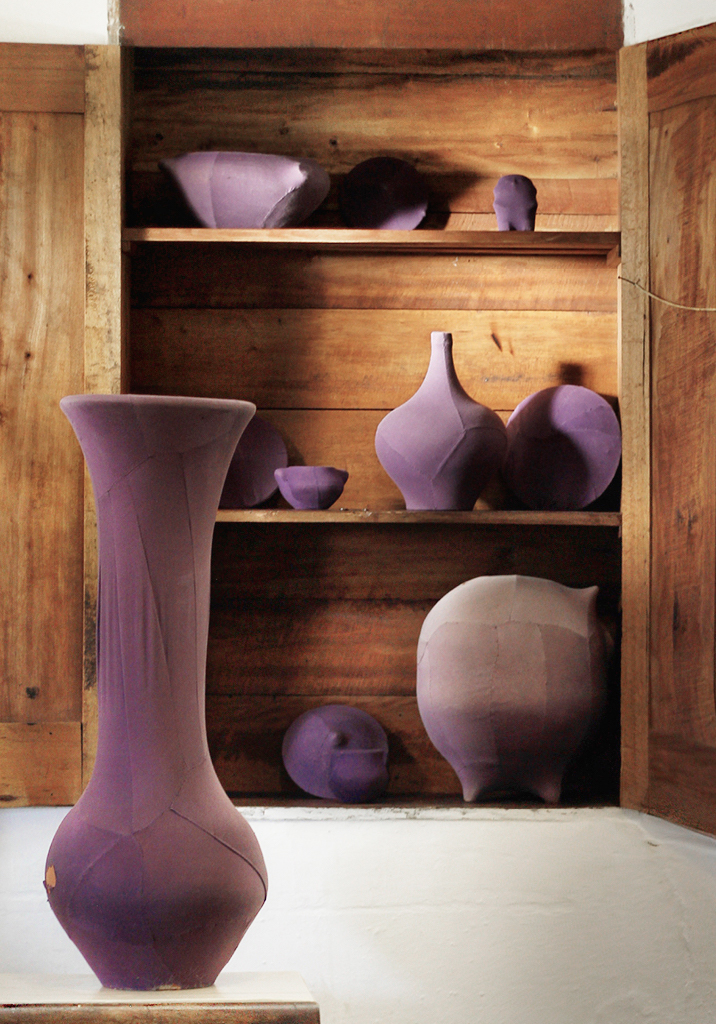
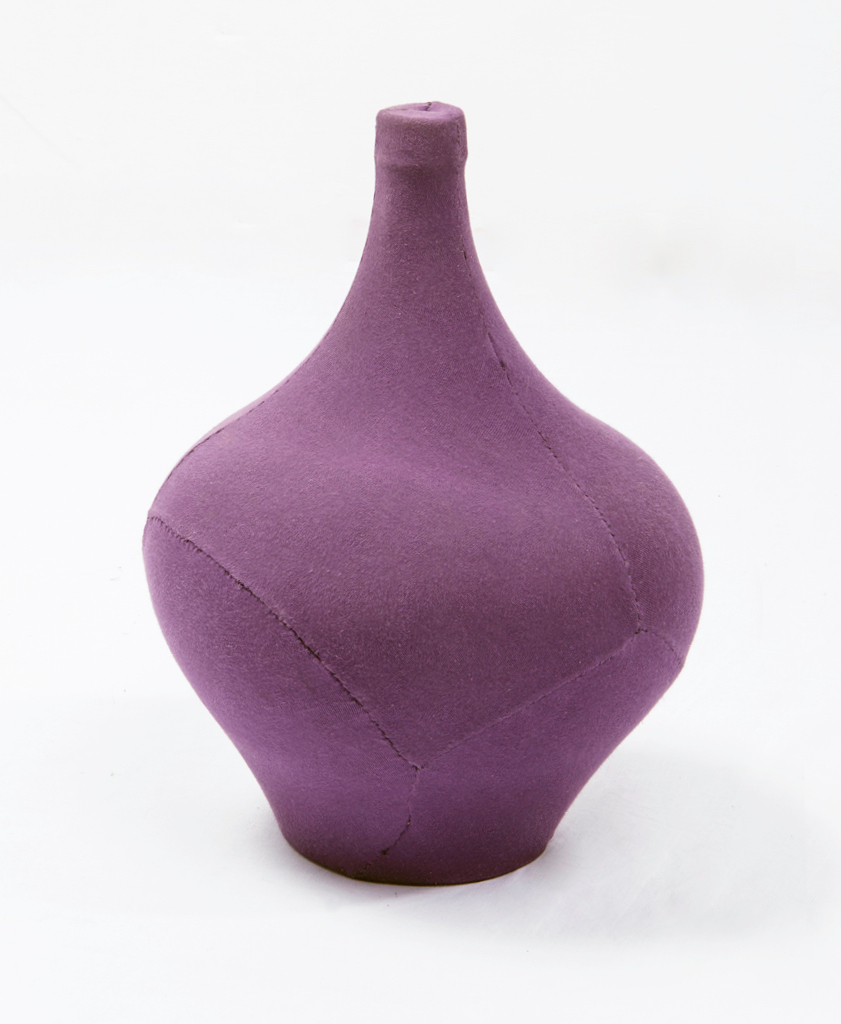
    Untitled Installation (Enveloped Objects).

    Found objects, fabric.

    11 objects of various sizes from 38.5 x 16 x 14.5 in / 98 x 41 x 37 cm, the largest to 3 x 6 x 5 in / 8 x 15 x 13 cm, the smallest.

    Made in Colombia in 2012.


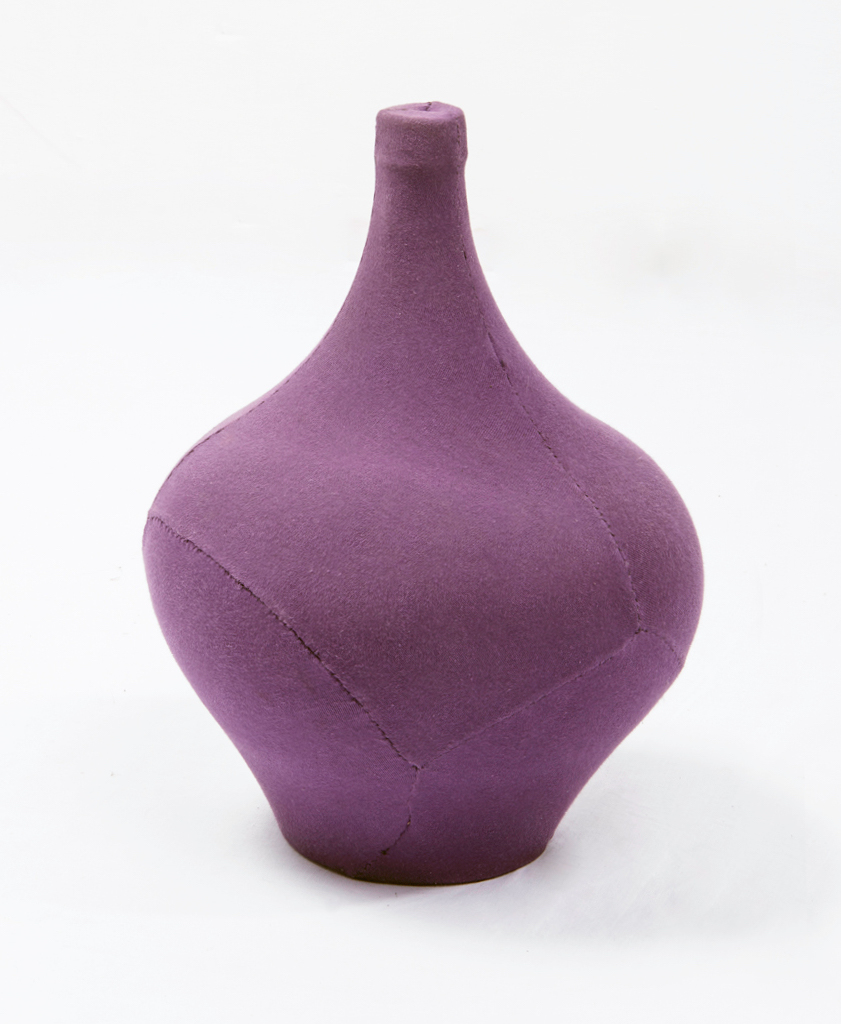
    Envelopment is a means of creating distance, it is often used for protection, preservation or aesthetic enhancement but it inevitably involves concealment. The color purple is chosen here for its connotations to status and wealth, cosmetics, penitence, death, and mourning.
    This installation is composed of a collection of terracotta objects from different sources in Medellin. Here, envelopment functions as devise for mystification and unification. Fabric is stretched (and in some cases worn or torn) enough to reveal some of the material underneath.

    Go back

  • Casa Gutiérrez, Media Luna

    Casa Gutiérrez, Media Luna

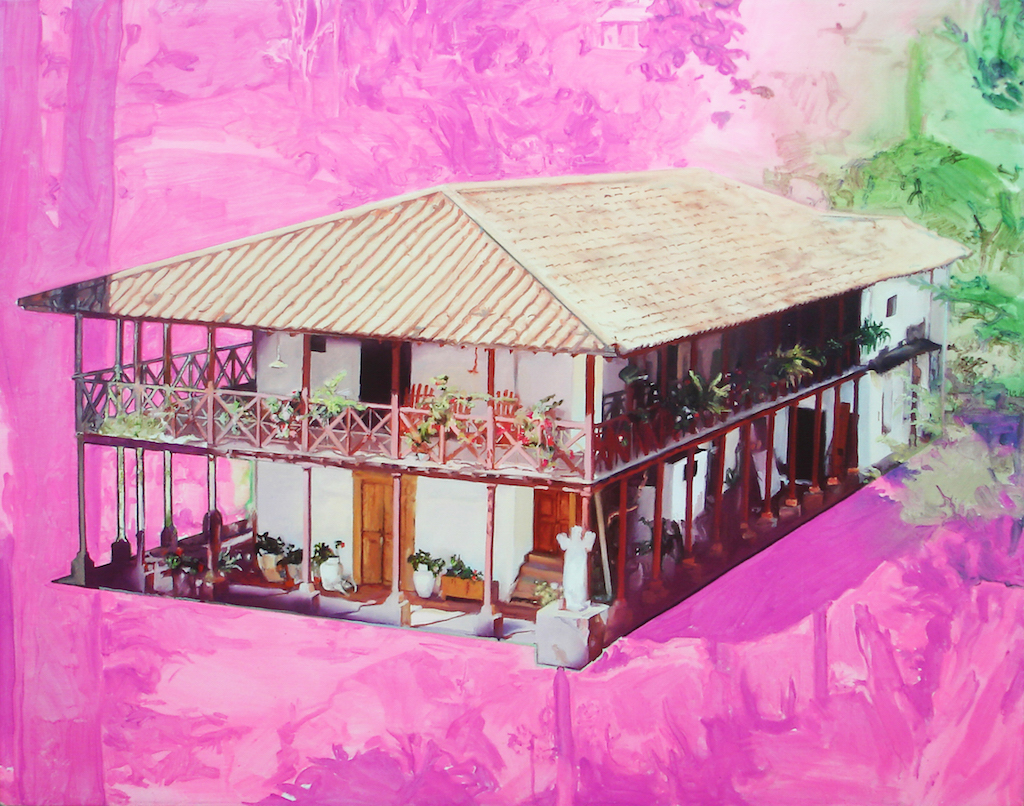
    Casa Gutiérrez, Media Luna.

    Oil on canvas.

    27 x 22 in / 69 x 56 cm.

    Made in South Korea in 2010.

    Go back

  • Untitled Icon (Vicente)

    Untitled Icon (Vicente)

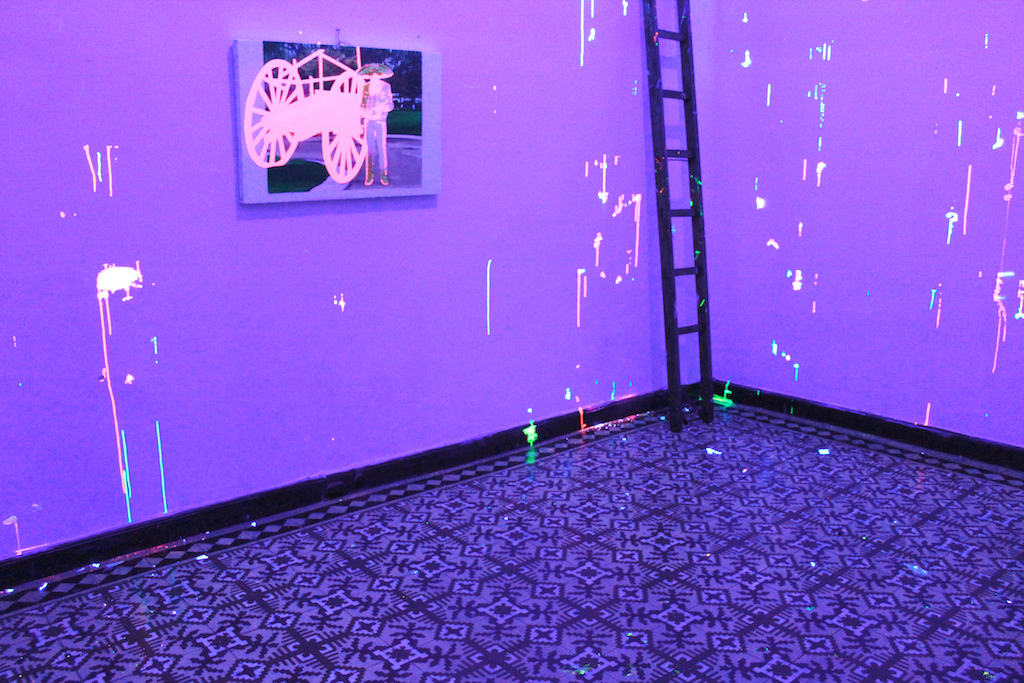
    Untitled Icon (Vicente).

    Installation with black light, ultraviolet paint and an oil-on-canvas painting.

    The size of the painting is 36 x 23-1/2 in / 91 x 58 cm.

    Made in Colombia in 2012.

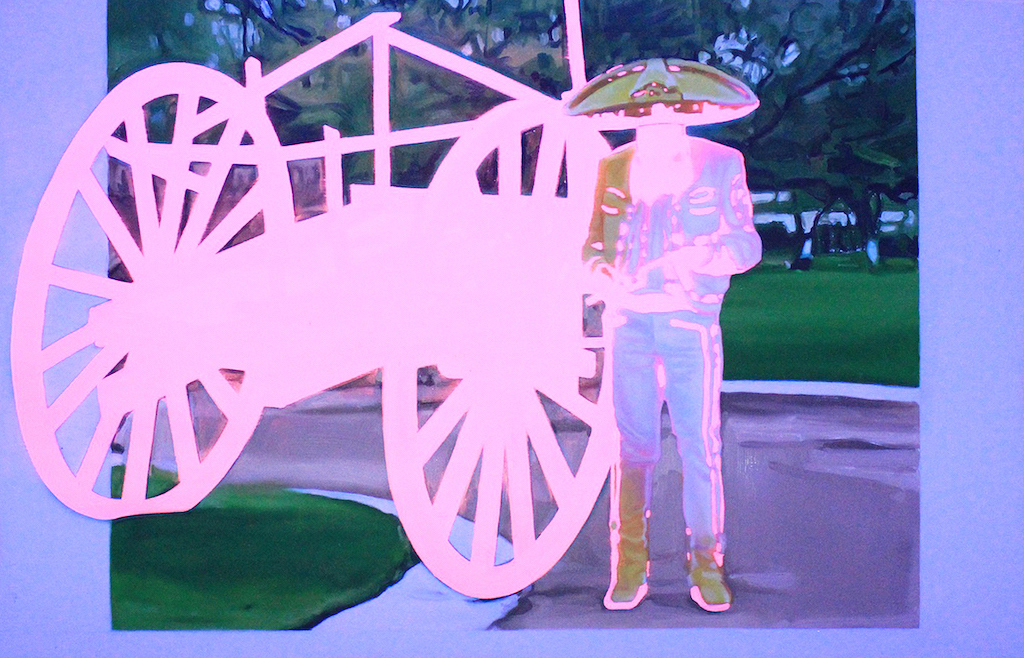
    An installation made impromptu at the now-defunct Centro Cultural Plazarte. The acrylic-based ultraviolet paint clumsily covered walls and floors of the heritage building while a faceless depiction of Mexican singer Vicente Fernandez in full mariachi attire hangs from one of the walls.

    Go back

  • Untitled Icon (María Dolores)

    Untitled Icon (María Dolores)

    Untitled Icon (María Dolores).

    Oil on canvas.

    36 x 24 in / 91 x 61 cm.

    Made in South Korea in 2010.

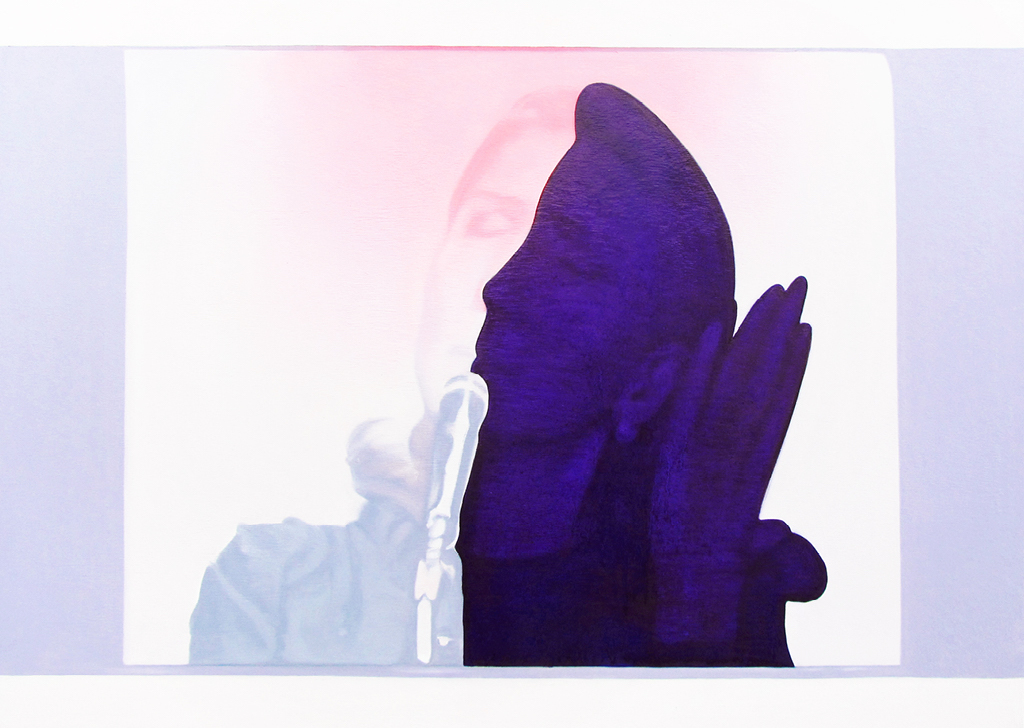
    The obscured figure of a diva, a carefully devised construct of culture eclipsed due to human and technological ineffectiveness and my own subjectivity.

    Notes on process: A music video made during the tape and television era for a square screen, its main subject a woman who sings fervently. It gets formatted and reformatted as it passes onto the digital world, gathering artifacts such as lines and floating pixels, stretching horizontally, gaining contrast, and loosing detail. I find it on YouTube as if revealing an ancient secret that speaks about my truth. I feel the diva is the embodiment of the culture that I inherited and I accept her as an icon of my ancestry but YouTube is stalling on the free Wi-Fi signal I get in my 13th floor Apartment, so I switch the quality settings to 240p. I go full screen, I take a screenshot, I photoshop it and blow it up, reticulate it and then trace it onto paper directly from my screen, it take a long time because it’s quite big for my laptop. I transfer that drawing onto canvass, I mix my paint and go by stages, 1, 2, 3; grisaille, permanent layers and direct technique.

    Note: the light-colored stripes on at the top and bottom are part of the painting.

    Go back

  • Untitled Icon (Celia)

    Untitled Icon (Celia)

    Untitled Icon (Celia).

    Oil on canvas.

    39-1/2 x 28-1/2 in / 99 x 71 cm.

    Made in South Korea in 2010.

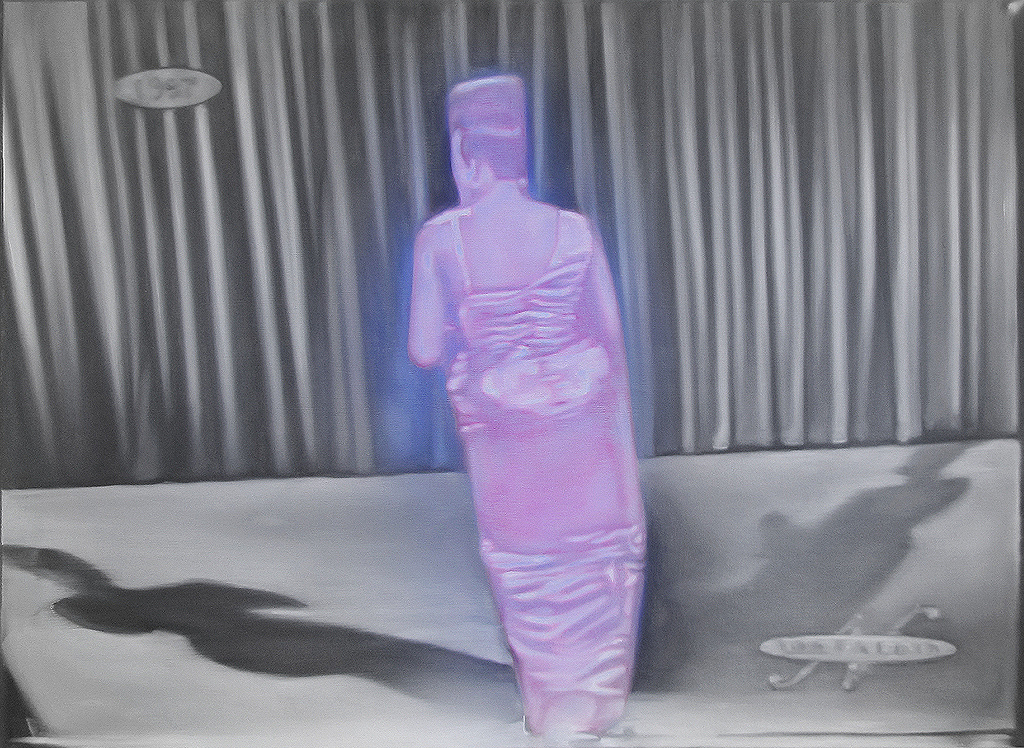
    The obscured figure of a diva, a carefully devised construct of culture eclipsed due to human and technological ineffectiveness and my own subjectivity.

    Notes on process: A music video made during the tape and television era for a square screen, its main subject a woman who sings fervently. It gets formatted and reformatted as it passes onto the digital world, gathering artifacts such as lines and floating pixels, stretching horizontally, gaining contrast, and loosing detail. I find it on YouTube as if revealing an ancient secret that speaks about my truth. I feel the diva is the embodiment of the culture that I inherited and I accept her as an icon of my ancestry but YouTube is stalling on the free Wi-Fi signal I get in my 13th floor Apartment, so I switch the quality settings to 240p. I go full screen, I take a screenshot, I photoshop it and blow it up, reticulate it and then trace it onto paper directly from my screen, it take a long time because it’s quite big for my laptop. I transfer that drawing onto canvass, I mix my paint and go by stages, 1, 2, 3; grisaille, permanent layers and direct technique.

    Go back

  • Untitled Icon

    Untitled Icon

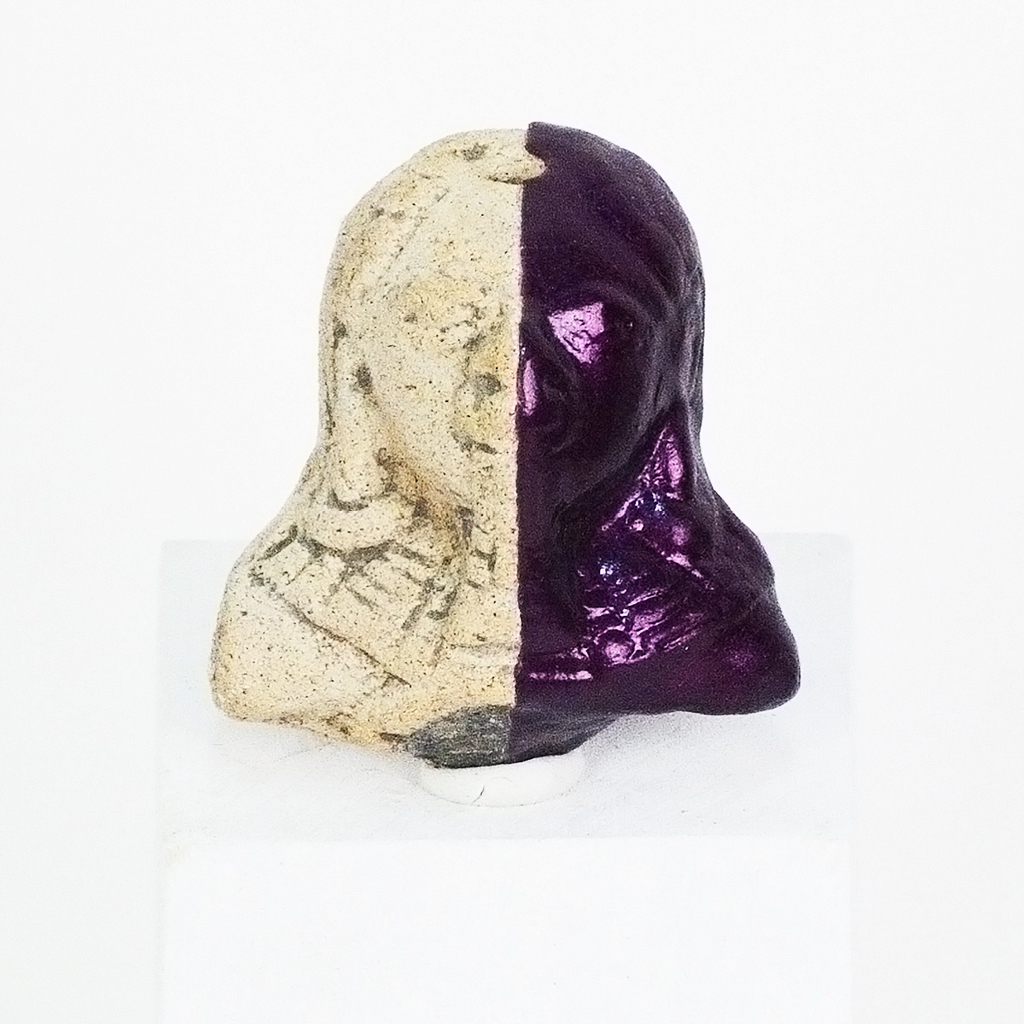
    Untitled Icon (Artifact No. 1).

    Relic, nail polish.

    2-2/3 x 3 x 2 in / 5 x 8 x 5 cm.

    Made in the United States in 2009.

    From a series of intervened artifacts, the original object was acquired from a tomb raider in Villa de Leyva, Colombia.

    My discordance with the cultures that I am associated with me makes me question the idea of heritage and ownership. If I own my own culture, can I also modify it? Can I for instance, take a pre-Columbian object that I possess and change its physical appearance making it an emblem of the culture that I fantasize about (my own hybrid) even if that involves damaging it?

    Under Roman Law, destruction functioned as the most extreme way of recognizing property right. Today, the legislation of every nation (oftentimes based upon ratification of UNESCO conventions) has laws that control modification of cultural heritage, but who really owns cultural heritage in its physical form? Is it the UN? is it the State? For the most part, no one cares until the historic object is in the face of threat.

    Go back

  • Amsterdam Double Chambered Vessel

    Amsterdam Double Chambered Vessel

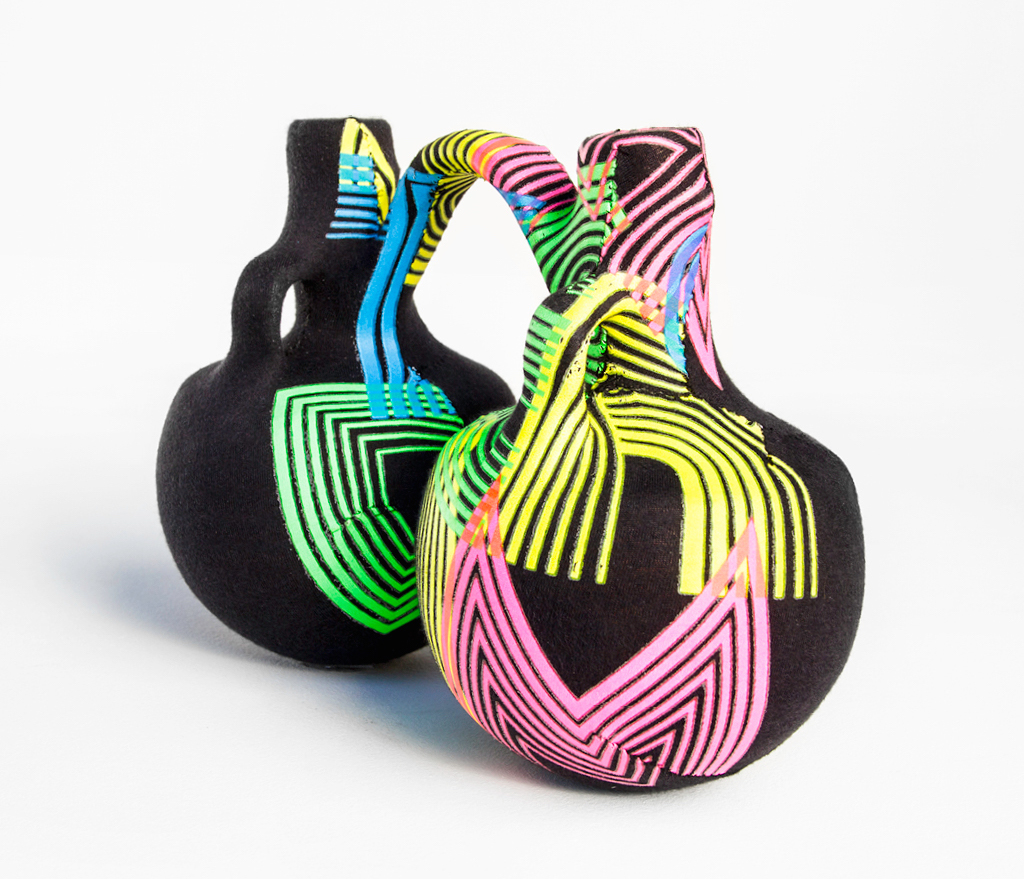
    Amsterdam Double Chambered Vessel.

    Slip-cast pre-Columbian imitation vessel, Amsterdam tourist shirt.

    18 x 11 x 17 in / 46 x 28 x 43 cm.

    Made in The Netherlands in 2013.

    Slip-casted terracotta objects with emblematic South American forms are often sold to tourists in souvenir shops around the subcontinent. The enveloped object was purchased in a souvenir shop in Medellin and covered with a tourist t-shirt from Amsterdam. The result is the distortion of two commercial representations of culture.

    Go back

  • Maledetta Primavera

    Maledetta Primavera

    Click on image to learn more and to order a booklet.

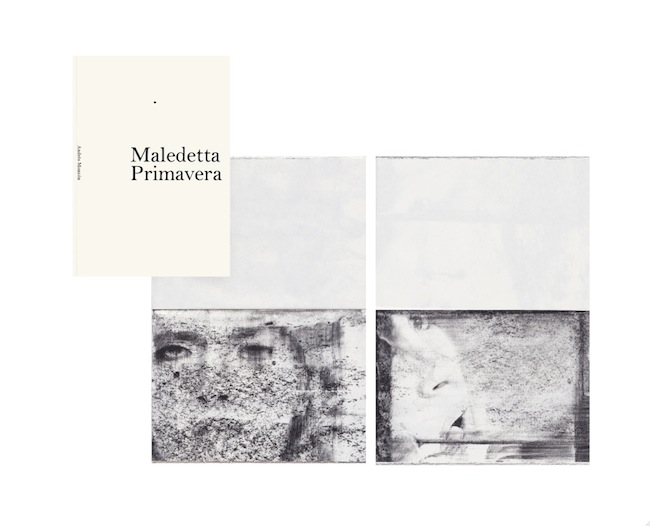
    Maledetta Primavera. Artist Book.

    Published by Booklet Press in Tokyo in 2012.

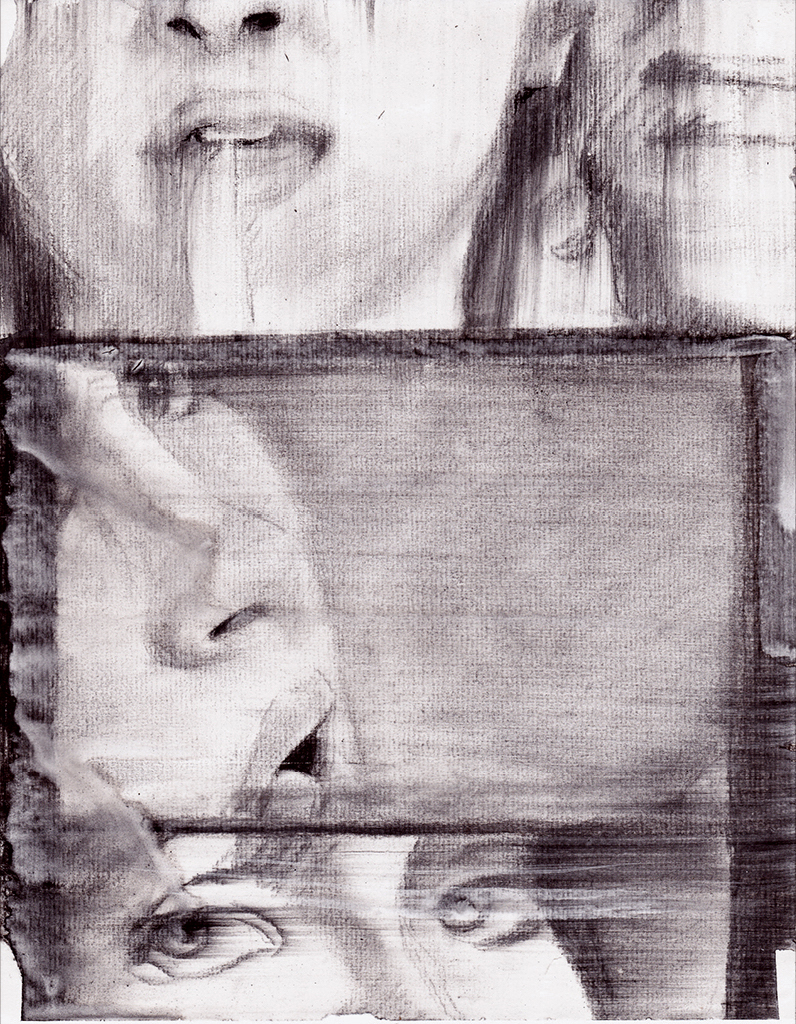
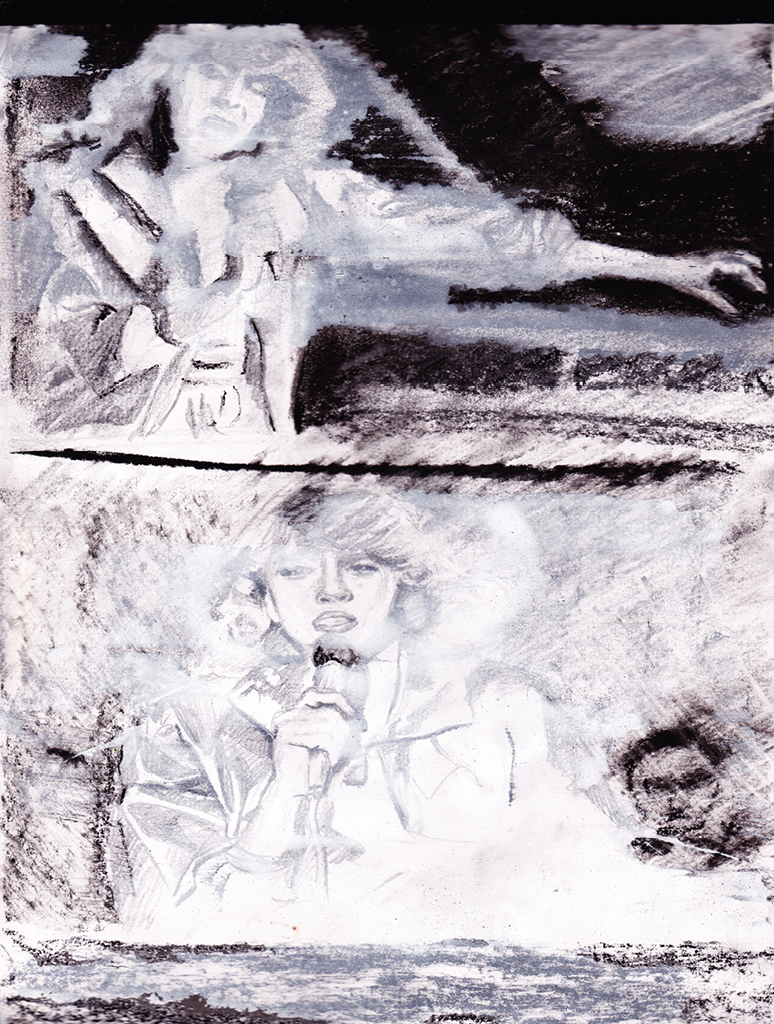
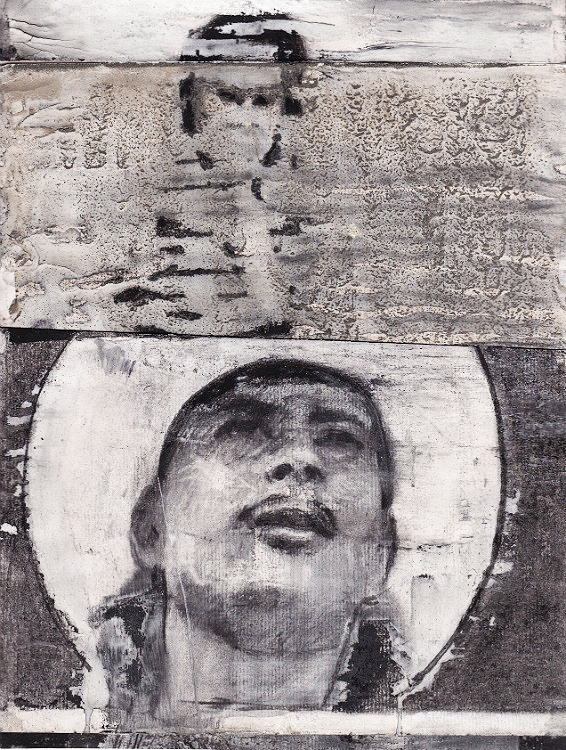
    Reformatting and versioning, like memory, transforms by means of iteration. The images in this booklet are drawings based on the music videos of a popular song from the nineteen eighties called La Maldita Primavera, interpreted by the Mexican singer Yuri. It was this song that made Yuri famous, yet the original version was the Italian Maledetta Primavera by Loretta Goggi. The video was first formatted for the square television screen and eventually uploaded to YouTube. Each version, including the manual rendering on paper adds artifacts and distorts the image further.

    The technique devised for these drawings makes use of the hydrophobic quality of charcoal in order to create noise on the surface when it is exposed to a mixture of liquid medium and calcium carbonate. The drawings were compounded by Evita Yumul into a risograph perfect bound booklet made of 52 unopened pages. Every page must be torn in order to reveal the image and in this way the consumer completes the book. It was published as an open edition by Booklet Press in Tokyo in 2012.

    Selection of Untitled Drawings for the Maledetta Primavera Booklet.

    Charcoal and calcium carbonate on paper.

    Each drawing is 8.5 x 11 in / 22 x 28 cm.

    Made in Colombia in 2012.

    Go back