Tag: Exhumations

  • Para Lola

    Para Lola

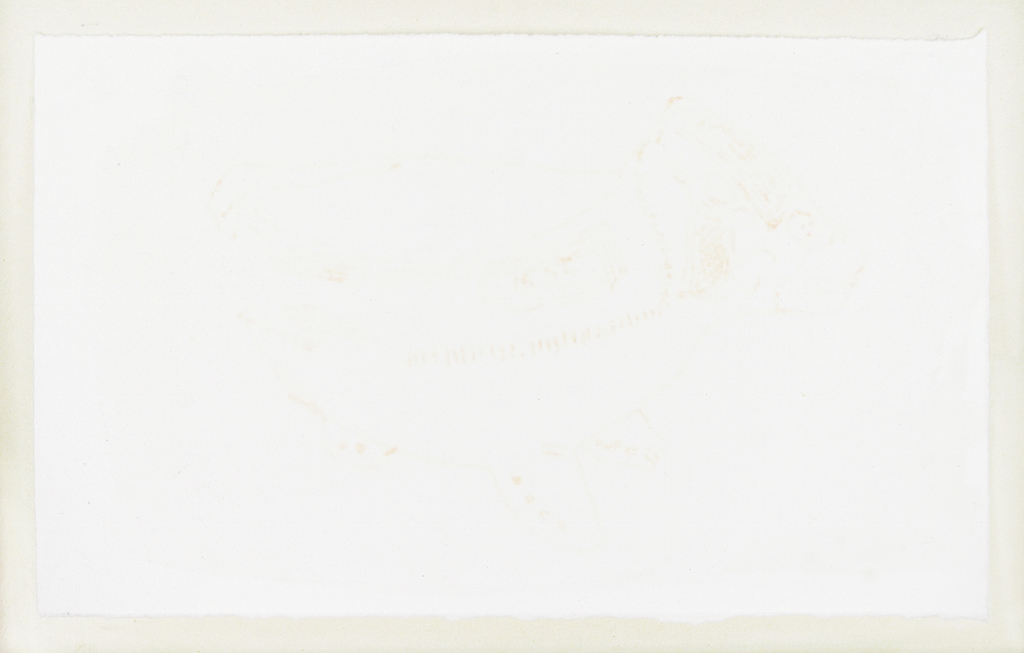
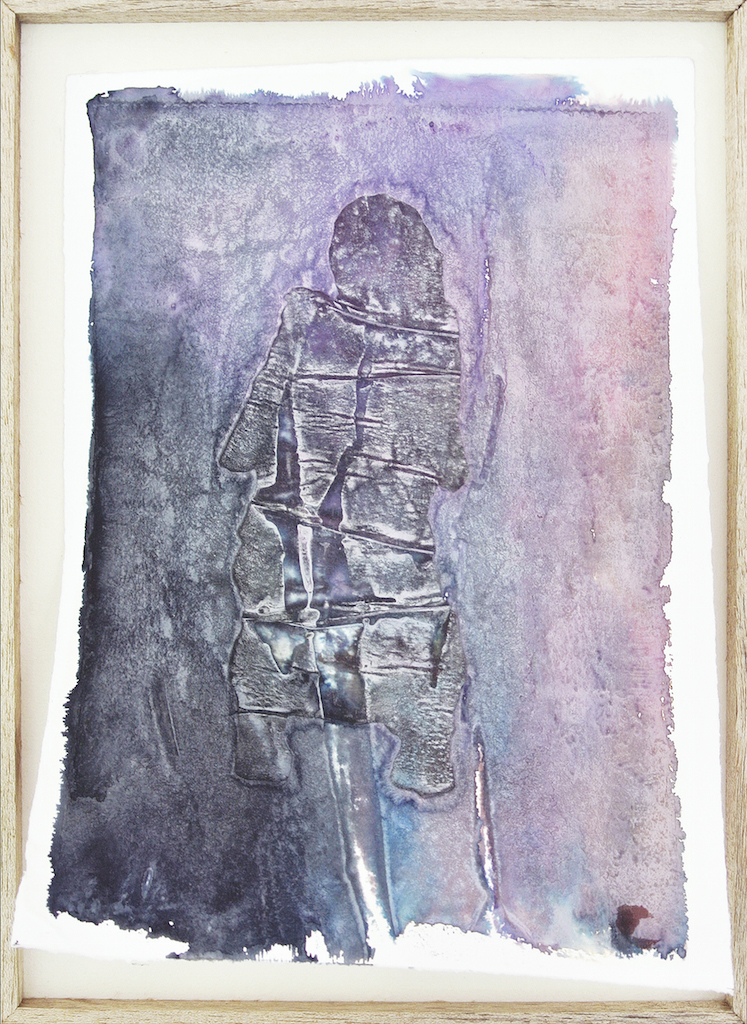
    Mummy.

    Inkjet ink and calcium carbonate on paper.

    8.5 x 11.5 in / 21.5 x 29 cm.

    Made in Colombia in 2013.
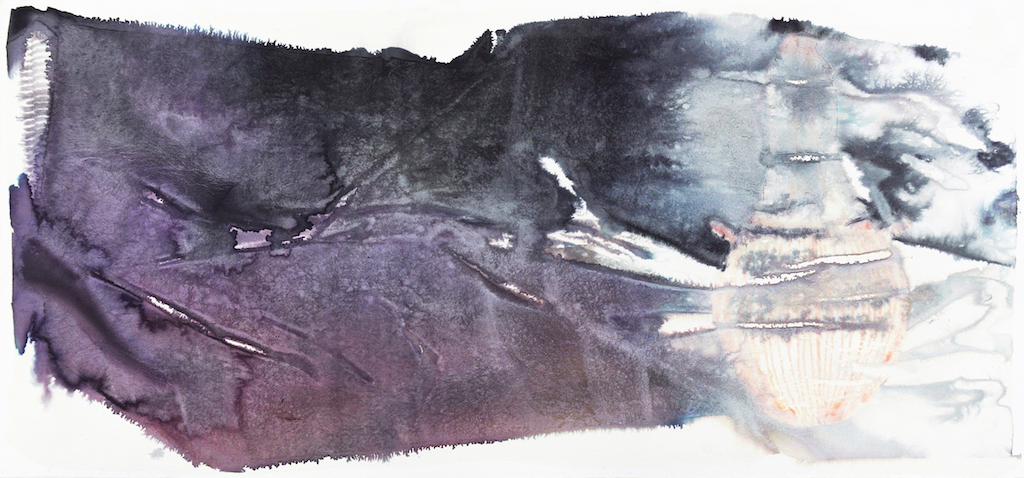
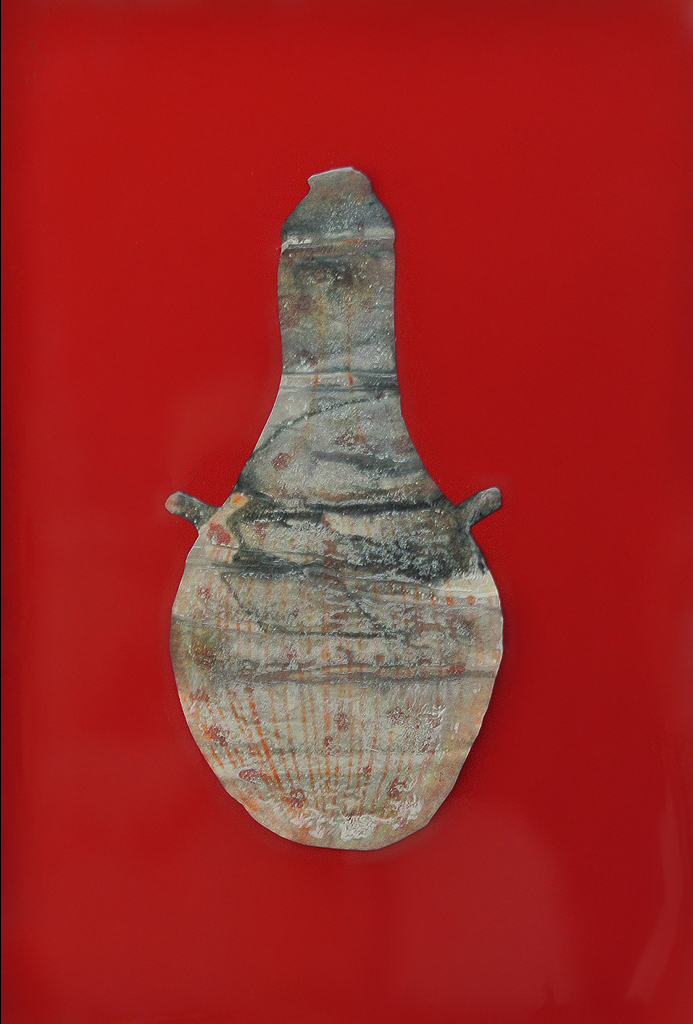
    Poporo.

    Inkjet ink and calcium carbonate on paper.

    17 x 8.5 in / 43 x 22cm.

    Made in Colombia in 2013,
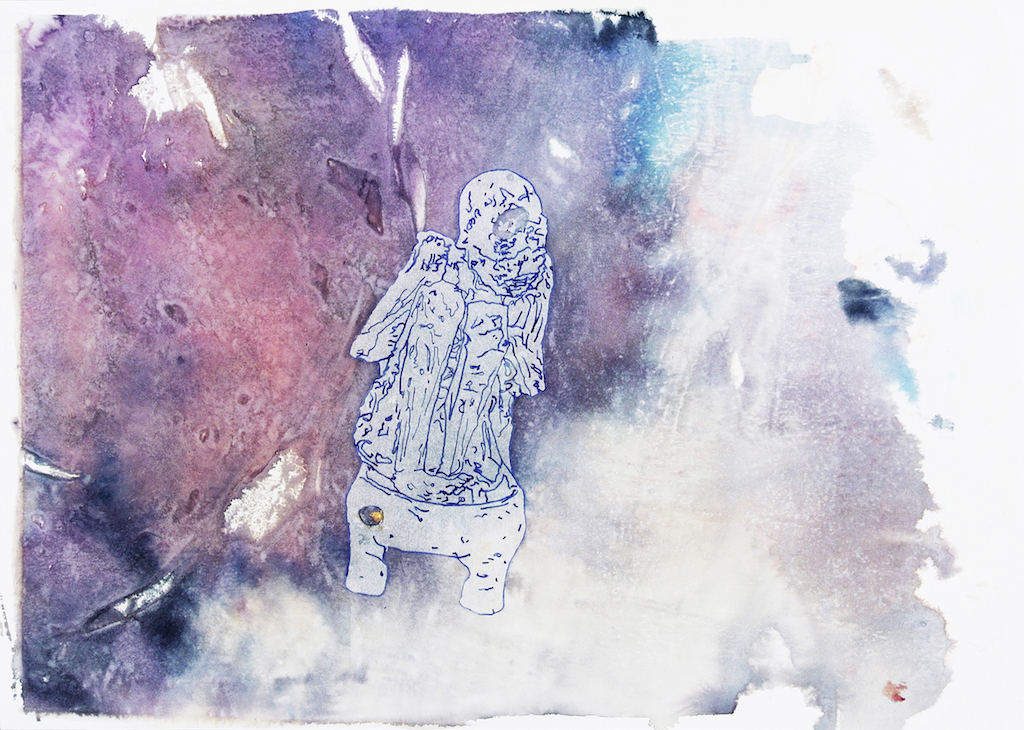
    Mummy.

    Inkjet ink and calcium carbonate on paper, ink pen on vellum.

    16.5 x 12.5 in / 42 x 32 cm. 

    Made in Colombia in 2013.

    These works on paper combine printmaking techniques and collage. They were made for the Exhibition Para Lola, organized at Campos de Gutiérrez and the Pablo Tobón Theatre in 2013.
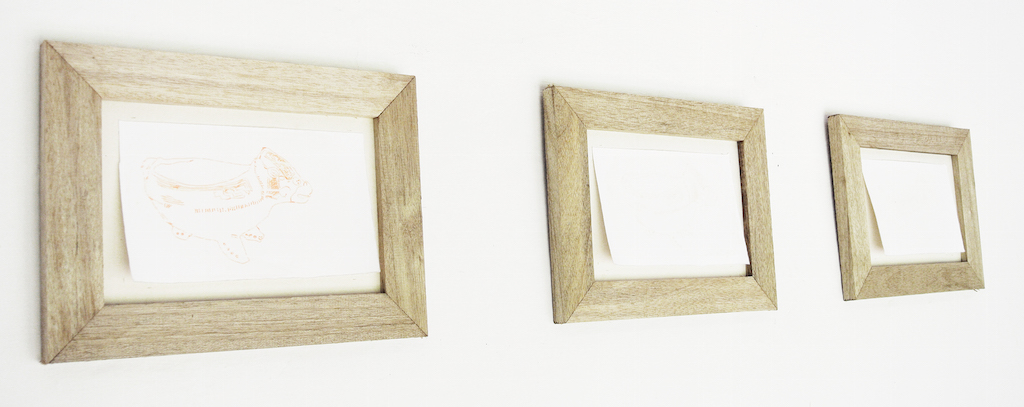
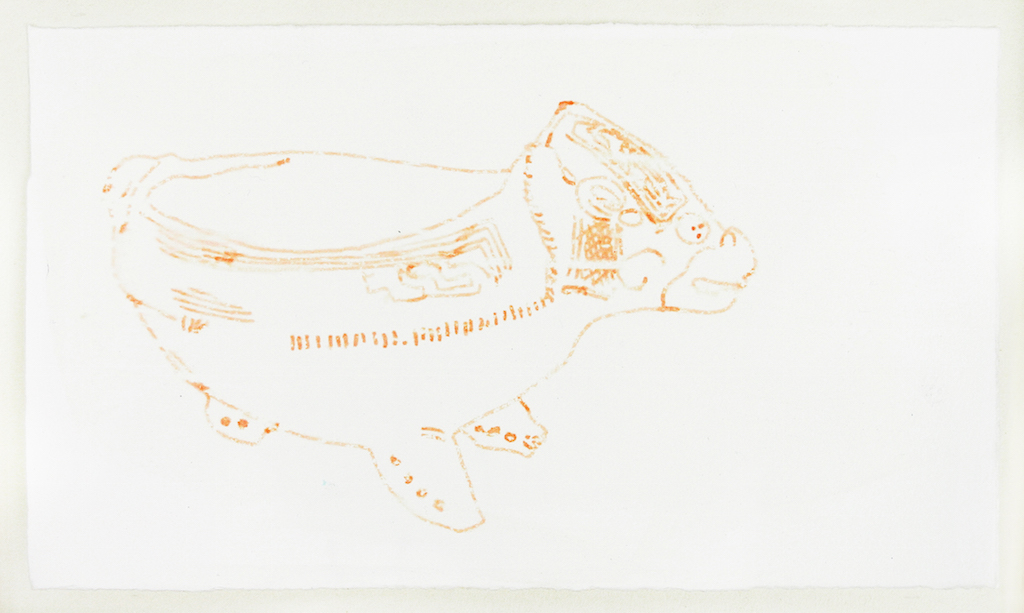
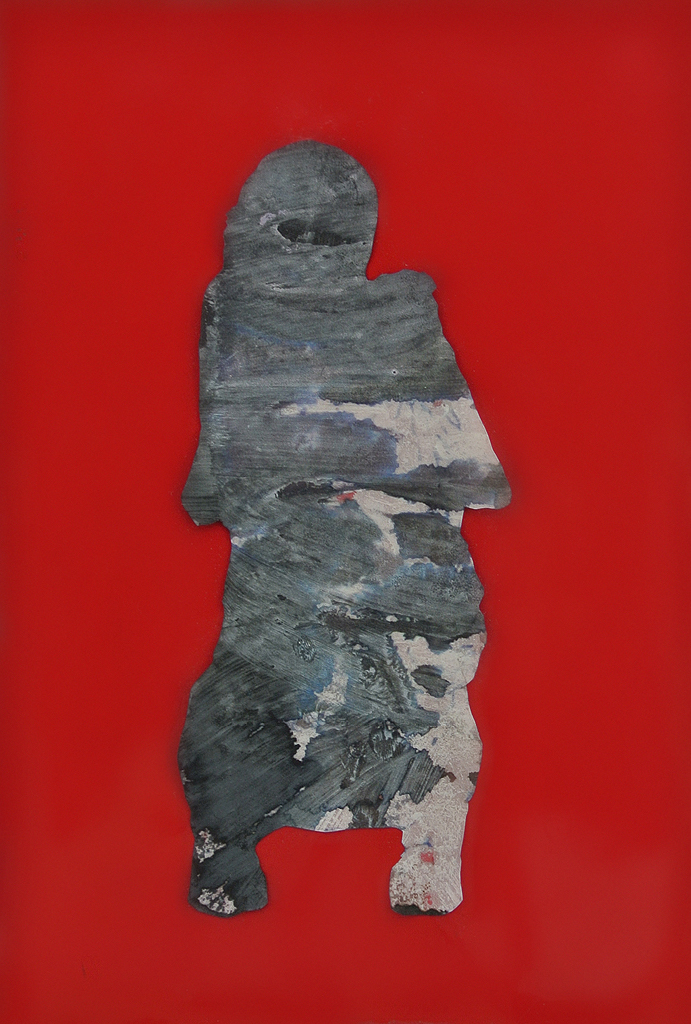
    Para Lola Triptych.

    Inkjet ink and calcium carbonate on vellum, mounted on vinyl.

    50 x 9-1/5 in / 127 x 23 cm, framed separately.

    Made in Colombia in 2013.

    A funerary ceremony celebrates a life that has just ended and a transition into another type of existence. These drawings celebrate the act of passing, highlighting the ephemerality of a tangible existence as a natural and desirable aspect of life. The images, made with volatile inks, disappear overtime.
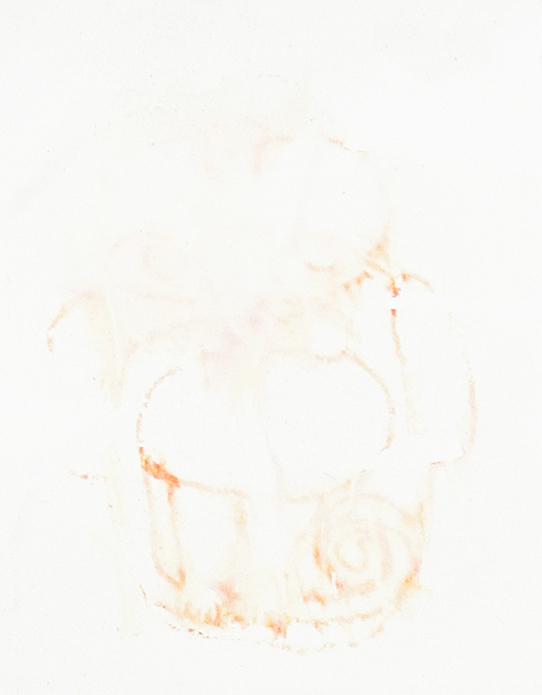
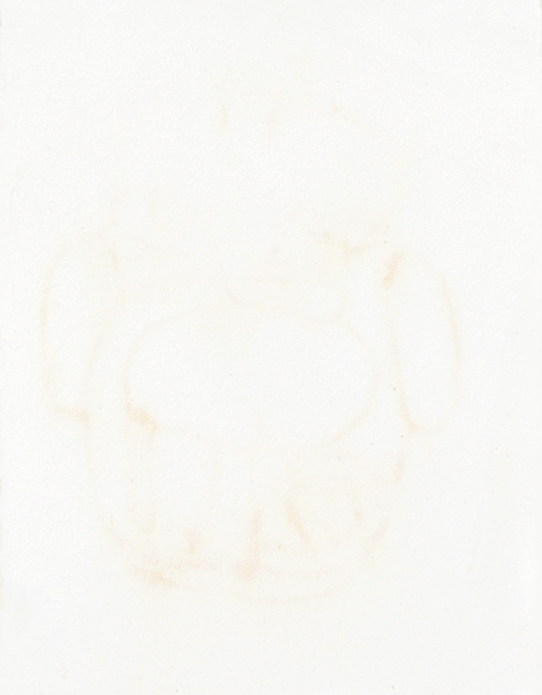
    Owl and snake.

    Ink and calcium carbonate on paper.

    Each is 7 x 10 in / 18 x 25 cm.

    Made in Colombia in 2013.
    Go back

  • Peruvian Mummy and Poporo Diptych.

    Peruvian Mummy and Poporo Diptych.

    Peruvian Mummy and Poporo Diptych.

    Inkjet ink and calcium carbonate on vellum, mounted on vinyl.

    7-1/4 x 10 in / 18 x 25 cm, framed separately in cedar wood.

    Made in Colombia in 2013.

    An exhumed Pre-Incan mummy placed in a diorama in Los Angeles received an attendance of 117,000 visitors in four months. The same diorama is now on display in Denver next to other mummified bodies from Peru and Egypt. This is an example of how intentional preservation can have adverse results when the preserved artifact outlasts the sovereignty of the preserver.

    These drawings were made with a combination of very durable materials such as vinyl and archival paper, as well as volatile inks like marker and inkjet. Other drawings from this series were made entirely with volatile inks that have completely vanished overtime.

    Go back

  • Selection of objects from the Helena Service

    Selection of objects from the Helena Service

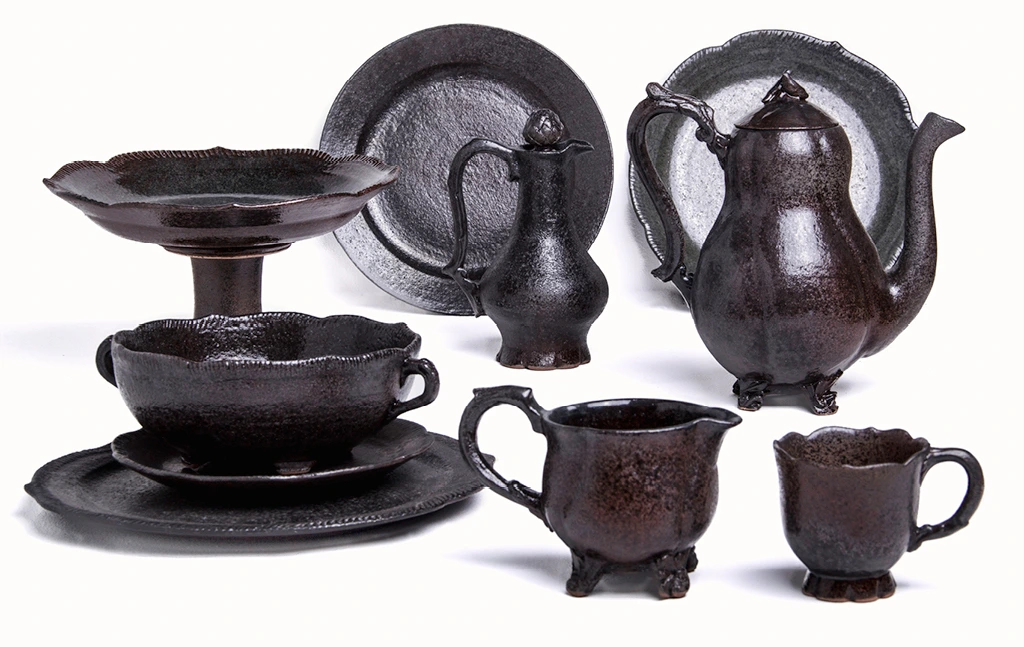
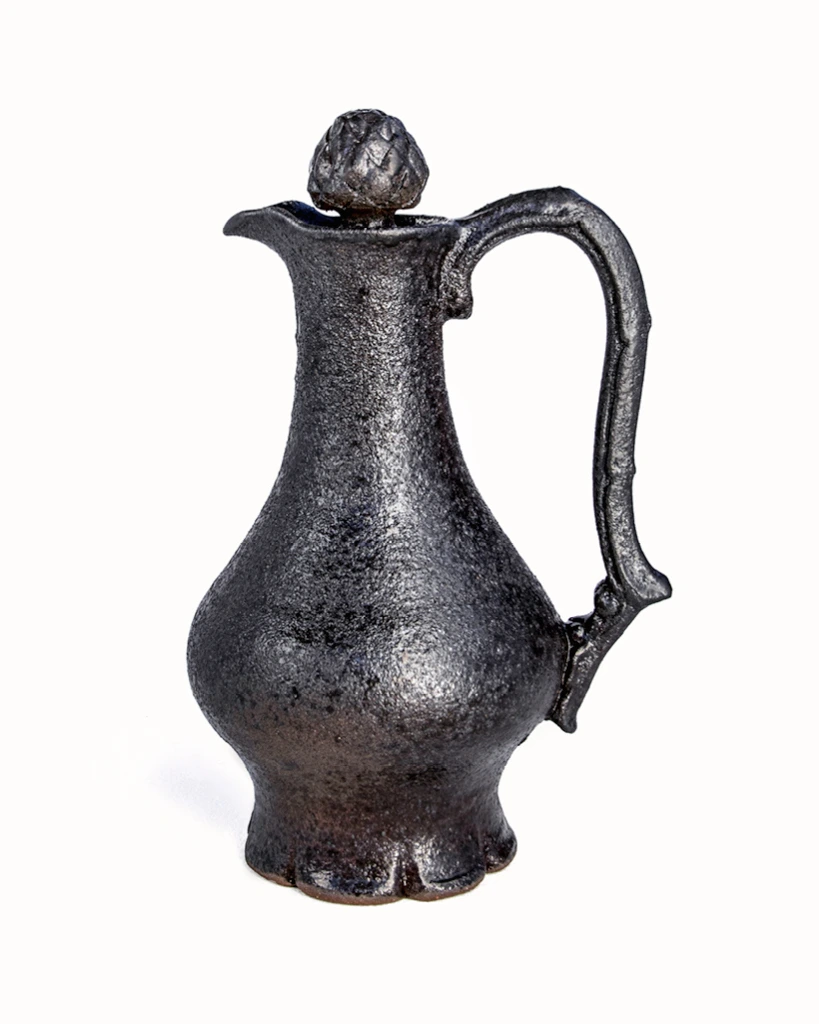
    Selection of objects from the Helena Service.

    Wood-fired earthenware service.

    15 pieces of various sizes from 9-1/2 x 11-1/5 x 8 in / 23 x 28 x 20 cm the largest, to 3 x 2-1/4 x 2-1/4 in / 8 x 5 x 5 cm the smallest.

    Made in Colombia in 2015.

    Helena is a non-utilitarian hypothetical service based on an 1888 document that details the inheritance of a woman named Helena Vásquez Barrientos. Helena was heir to one of the wealthiest families in Colombia at the time her father passed away. Besides houses, mines and shares described in her inheritance, there is also a thorough description of a china service comprised of over 400 items. The whereabouts of the original objects is unknown but the Helena Service attempts to prototype the forms of a portion of them using her father’s testament descriptions and the style of the period.

    Each of the prototypes was wheel-thrown and modified by hand. A conscious decision was made to focus the research on form rather than surface. Dark and coarse like corroded metal, these objects sharply contrast the ideal look of nineteenth century china, making a clear, drastic distinction that situates them both within and outside of their era.

    Go back

  • Exhumation fragments

    Exhumation fragments

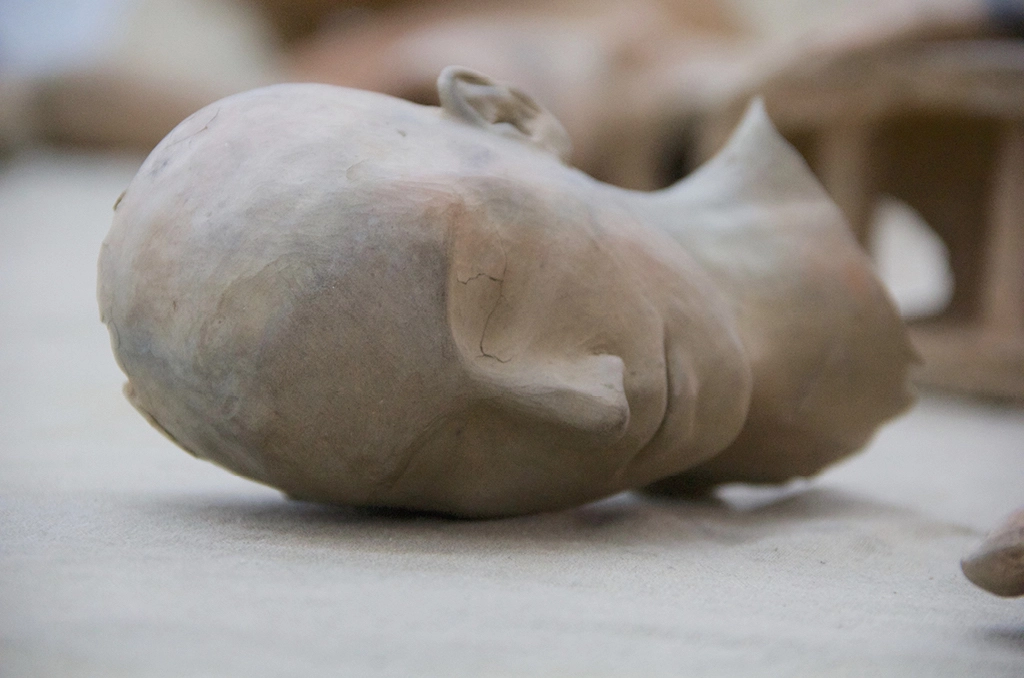
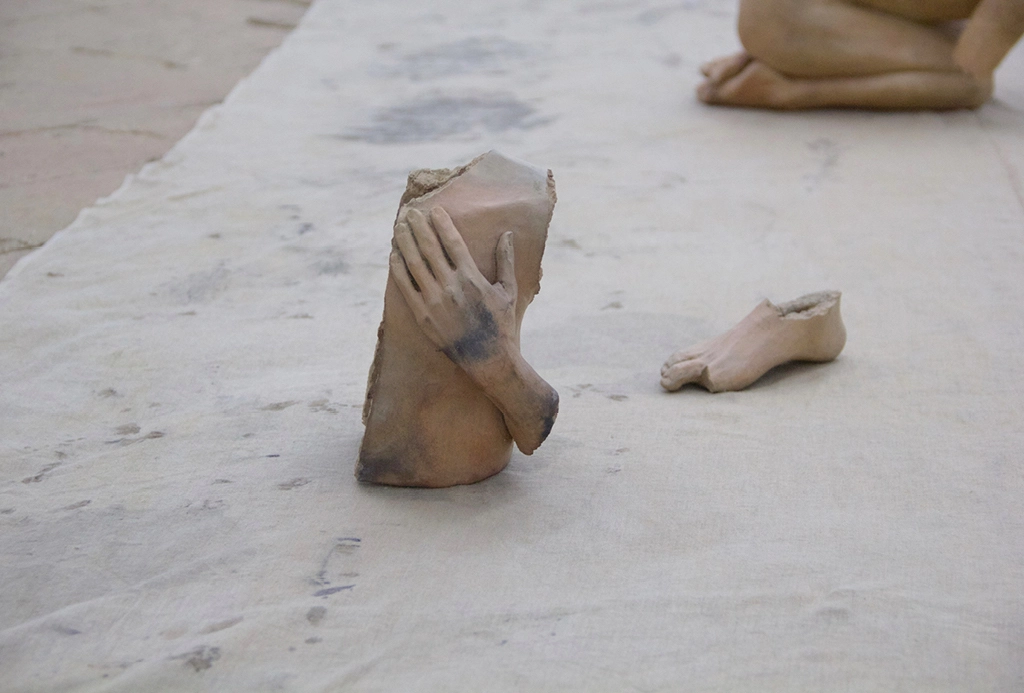
    Exhumation Fragments.

    Pit fired earthenware figures, buried and exhumed.

    13-1/4 x 8-1/4 x 9-1/5 in / 33 x 20 x 23 cm and other sizes.

    Made in Colombia between 2013 and 2014.

    The practice of exhumation is a permanent subject of philosophical debate. These figures are symbolic of a universal contradiction in the fields of archeology, anthropology, and museology. While these fields are concerned with the study, preservation and display of artifacts, they often violate or challenge the fundamental purpose of their original interment.

    Most of the figures from this series remained buried for months and were later extracted while some others are still underground. The series is composed of six individual figures. Some of them were made in distinct fragments but most broke or fractured under the weight of the earth or in the processes of extraction.

    Go back