Tag: 2013

  • La más educada

    La más educada

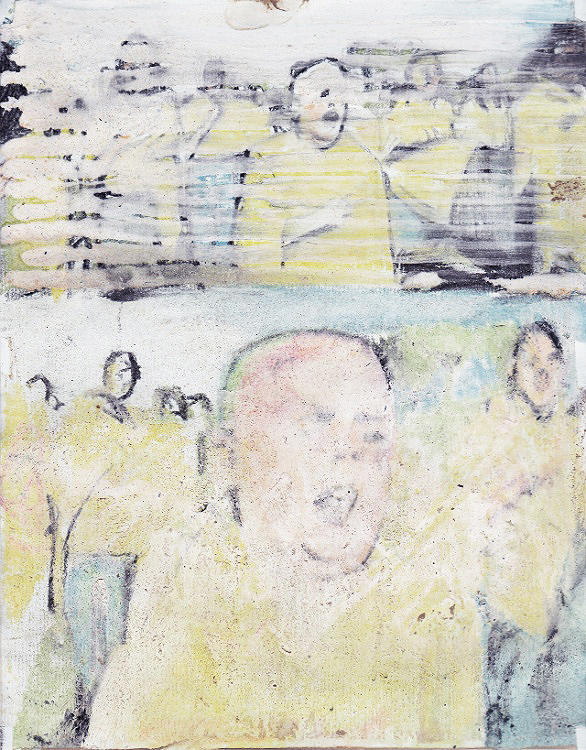
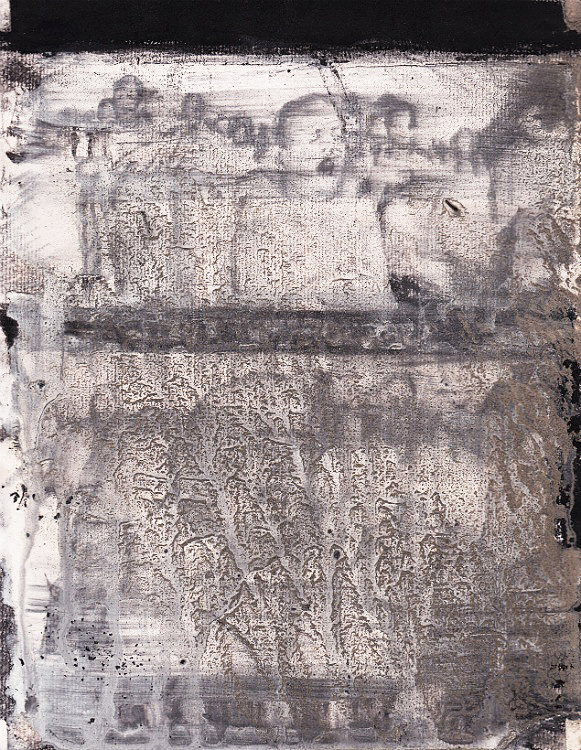
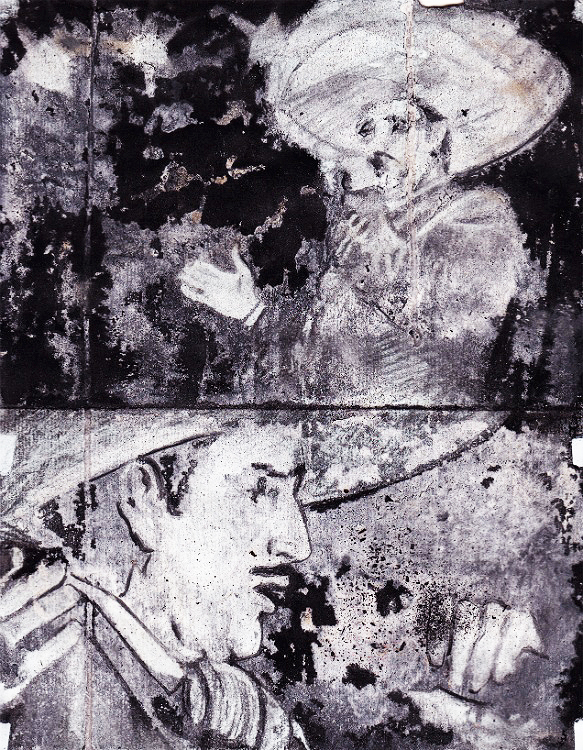
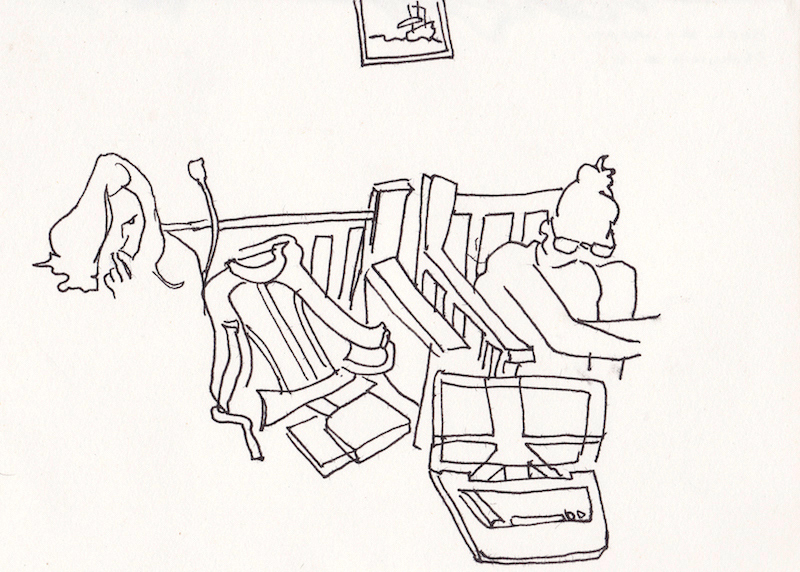
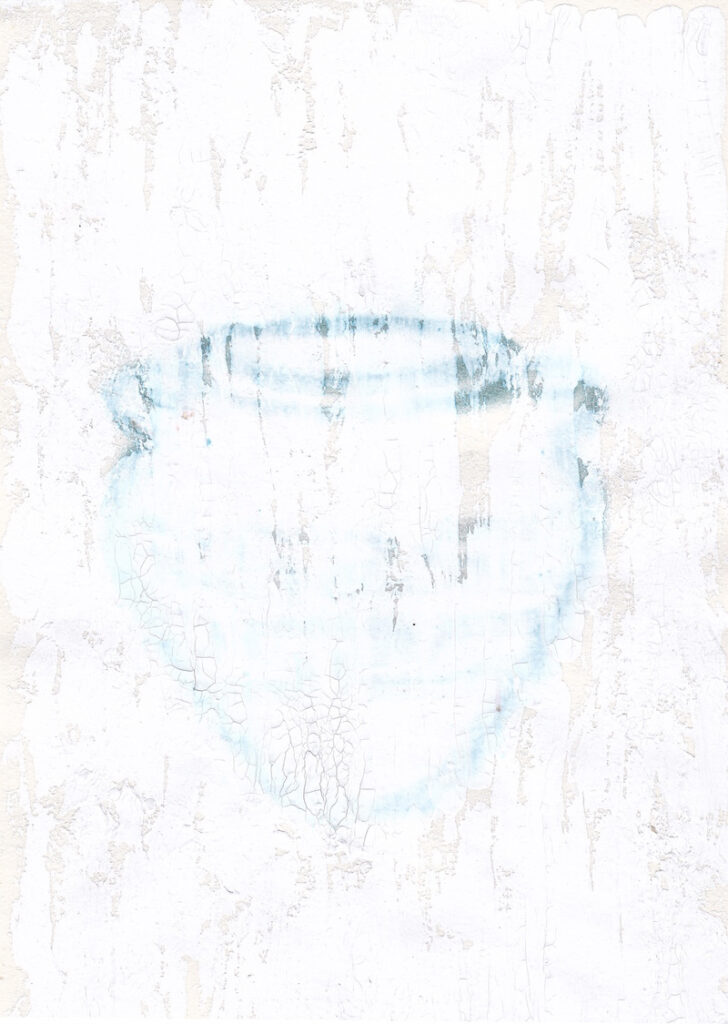
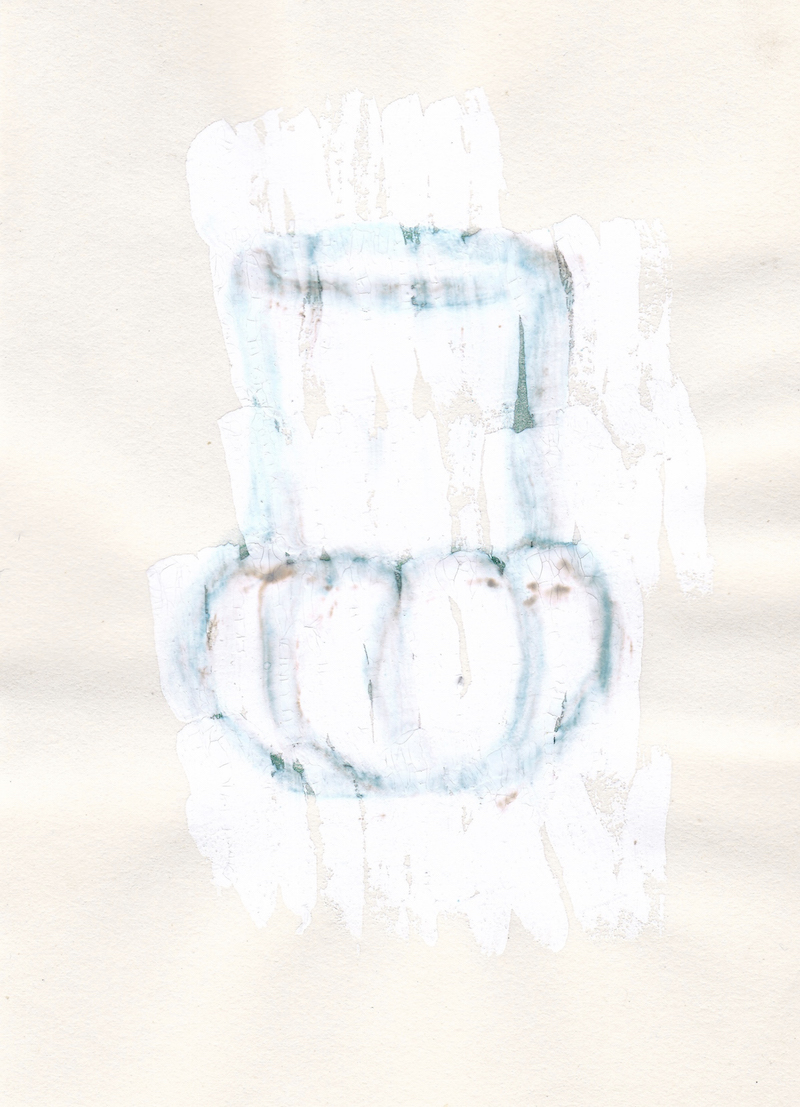
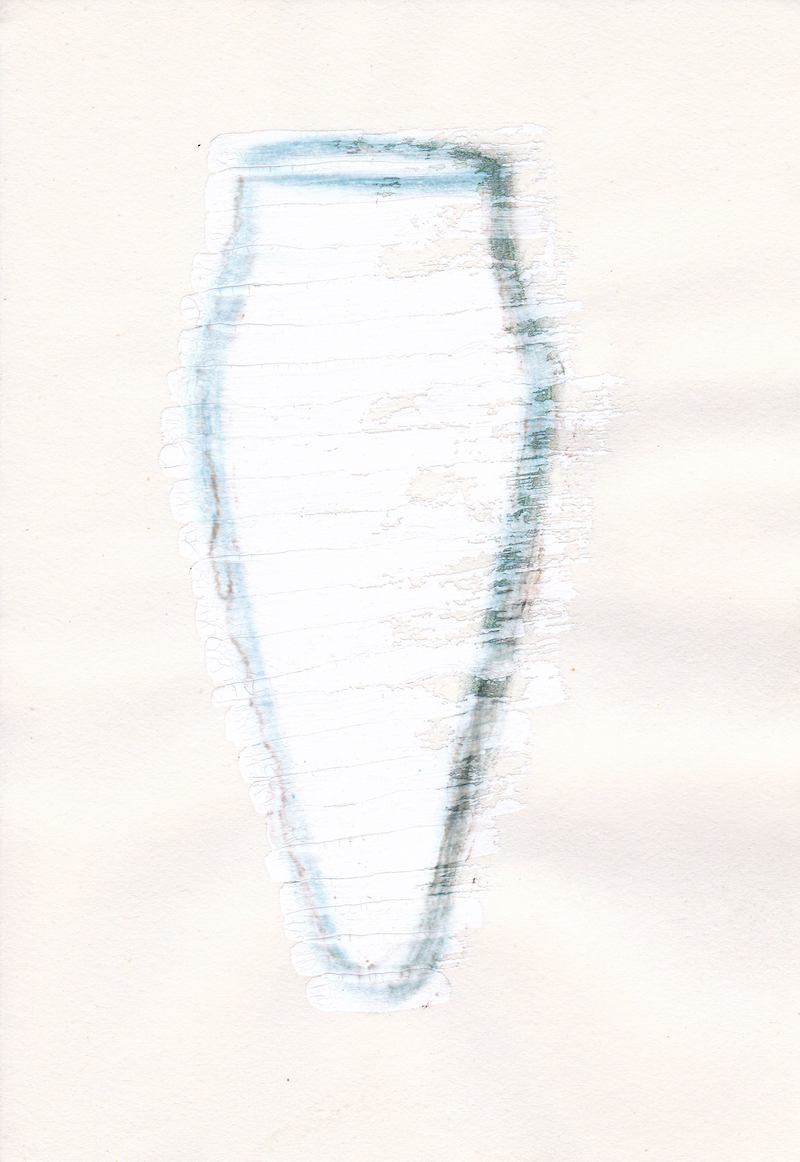
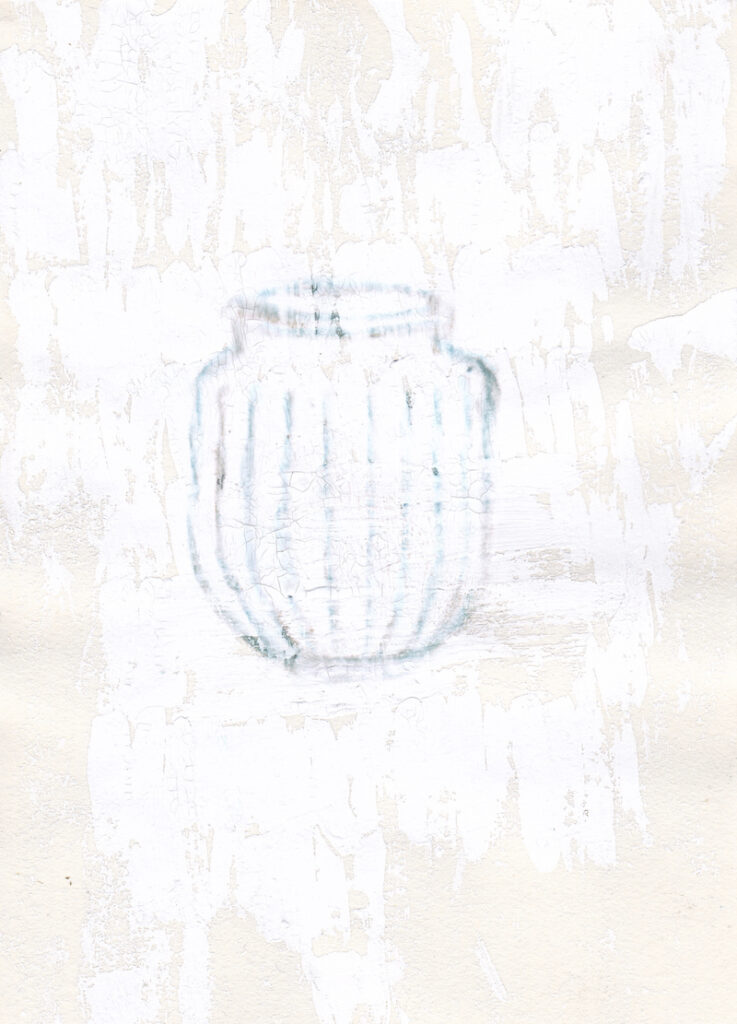
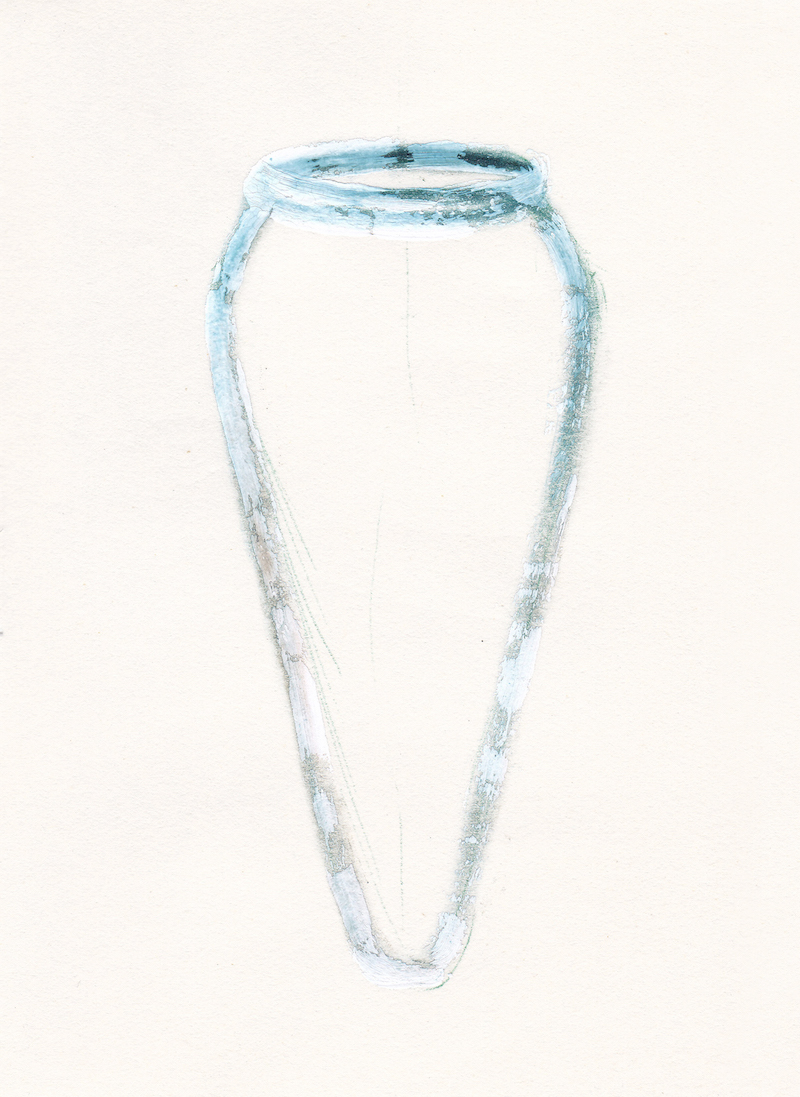
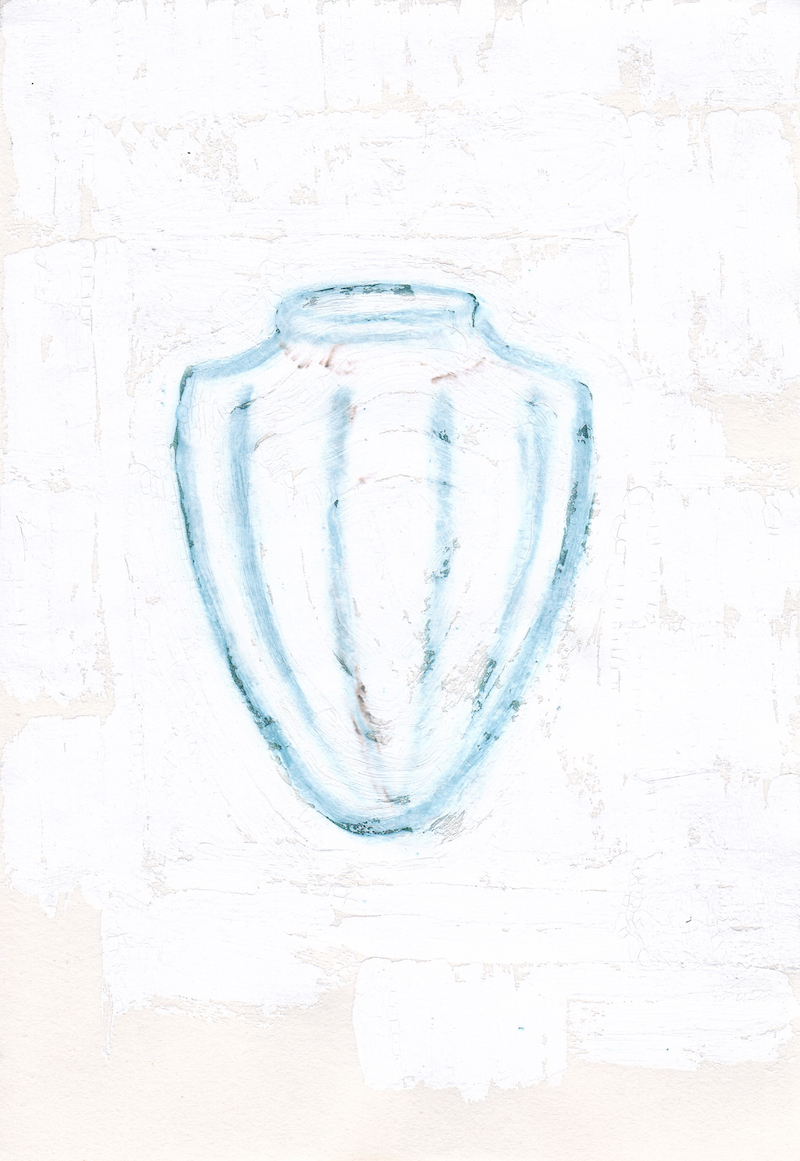
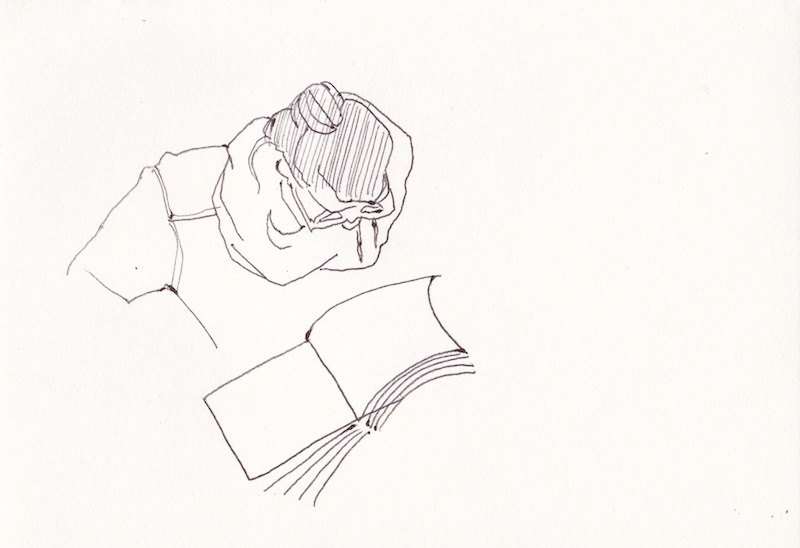
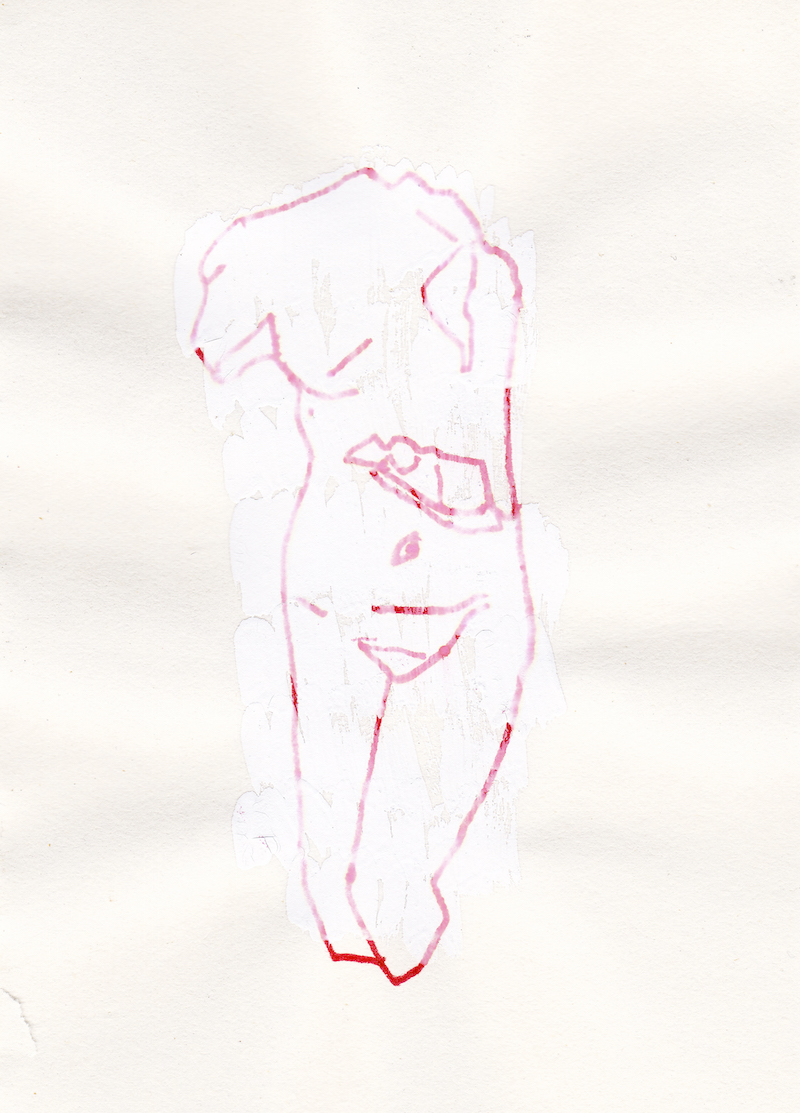
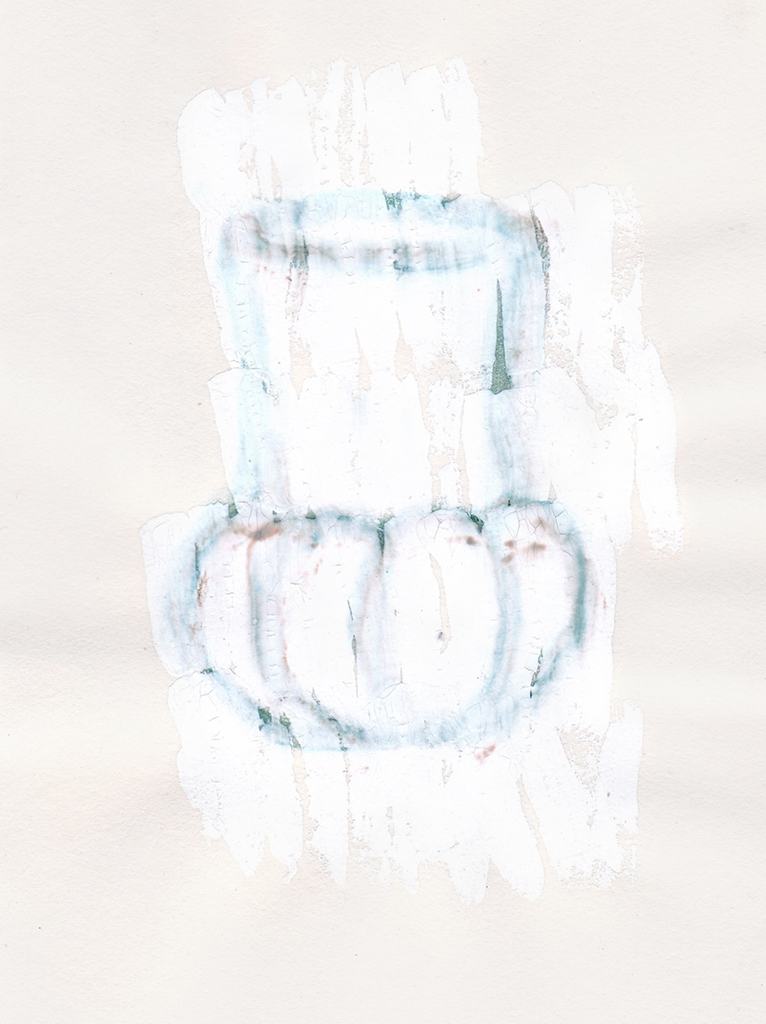
    A series of drawings made for an exhibition entitled La más educada (The Most Educated) organized by Galería LaTienda in 2013. The gallery used the slogan of the regional government‘s development plan (Antioquia the Most Educated) as a point of departure for the exhibition.
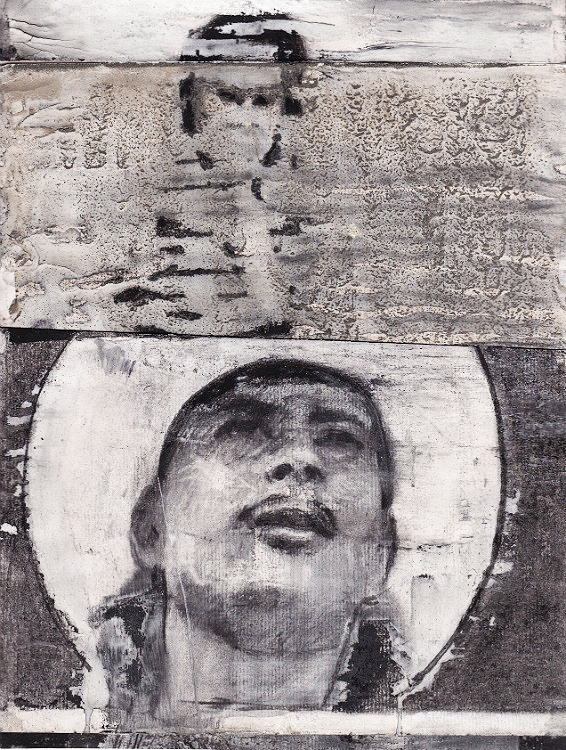
    Selected drawings from the series La más educada.

    Colored chalk, charcoal, and calcium carbonate on paper.

    Made in Colombia in 2013.

    In order from top to bottom:
    Ref. 2 (Cruz de Marihuana),
    Ref. 4 (National Anthem, Color),
    Ref. 1 (National Anthem, Black and White),
    Ref. 5 (Vicente).


    This series consists of drawings based on music videos that correspond to five songs aired consecutively on Radio Cristal starting at 5:45 p.m. on Monday, December 3rd, 2012. Radio Cristal is one of the most listened radio stations in the capital city of the department of Antioquia and it is often blasted in public spaces—including public transportation. Together, these images are an automated portrait of the culture of the city during traffic rush hour, when many people are heading home from work and are commonly exposed to the content of popular radio. The music videos were the following:

    1. Los Gavilanes del Norte – Cruz de Marihuana http://www.youtube.com/watch?v=cjltTc4lShM
    2. Patricia del Valle – A chillar a otra parte http://www.youtube.com/watch?v=JNI0aREAGfk
    3. National Anthem of the Republic of Colombia http://www.youtube.com/watch?v=DGxWfUXftVc
    4. Vicente Fernandez – El Ayudante http://www.youtube.com/watch?feature=player_embedded&v=TpHLtzMLUfs
    5. Pipe Bueno – Esta Vez Te Dejo https://www.youtube.com/watch?v=OjZMu2K6LVQ


    Popular radio stations like Radio Cristal respond to a common need to identify with culture through sound. Further, they communicate messages that resonate with the listener; they reflect the instincts, desires, conventions, and ideologies of the people. They are also part of the environment in which citizens develop as individuals and groups. For this very reason, in 1995, the Colombian government required all radio stations to play the national anthem at least twice daily, and one of those times being specifically at 6:00 p.m.

    In turn, popular music videos are often audio visual renditions of music. Imagery used in these videos, like the music itself, is loaded with messages and codes that comply with and illustrate the instincts, norms, and ideals of the people. La más educada translates the content of this radio station visually, using video stills as a primary source.
    Go back

  • Drawings for Maati – Archive

    Drawings for Maati – Archive

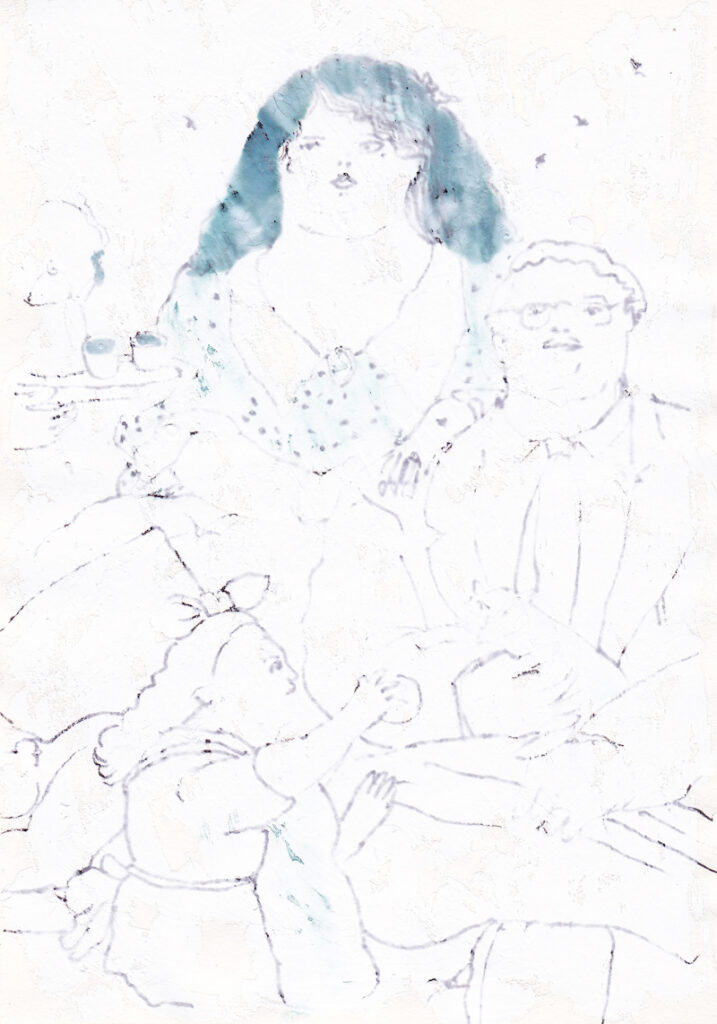
    Ref#02. Ink pen on paper.

    Ref#06. Ink pen on paper.

    Ref#08. Ink marker, whiteout on paper.
    Ref#11. Ink marker, whiteout on paper.
    Ref#12. Ballpoint pen, ink marker, whiteout on paper.
    Ref#13. Ballpoint pen, ink marker, whiteout on paper.
    Ref#14. Ballpoint pen, ink marker, whiteout on paper.
    Ref#16. Ink marker, whiteout on paper.
    Ref#18. Ink pen on paper.
    Ref#19. Ink marker, whiteout on paper.
    Ref#20. Ink marker, whiteout on paper.
    Ref#21. Ink marker, whiteout, graphite on paper.
    Ref#22. Ink marker, whiteout, graphite on paper.
    Ref#23. Ink marker, whiteout, graphite on paper.
    Ref#24. Ink marker, whiteout, graphite on paper.
    Ref#28. Graphite, ink marker, whiteout on paper.
    Ref#29. Ink marker, whiteout, graphite on paper.
    Ref#33. Ink marker, whiteout, graphite on paper.
    Ref#34. Ink marker, whiteout, graphite
    Ref#35. Ink marker, whiteout, graphite on paper.
    Ref#36. Ink marker, whiteout, graphite on paper.
    Ref#37. Ink marker, whiteout, graphite on paper.
    Ref#38. Ink marker, whiteout, graphite on paper.
    Ref#39. Ink marker, whiteout, graphite on paper.
    Ref#40. Ink marker, whiteout, graphite on paper.

    Go back

  • Drawings for Maati

    Drawings for Maati

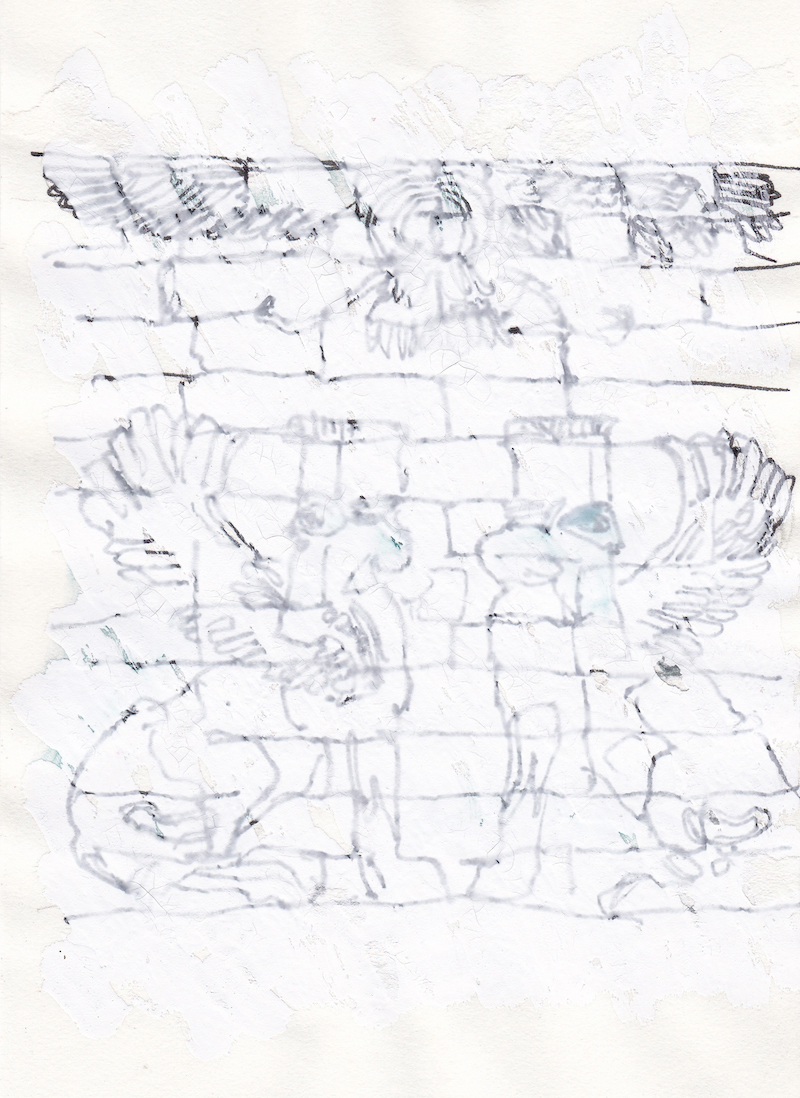
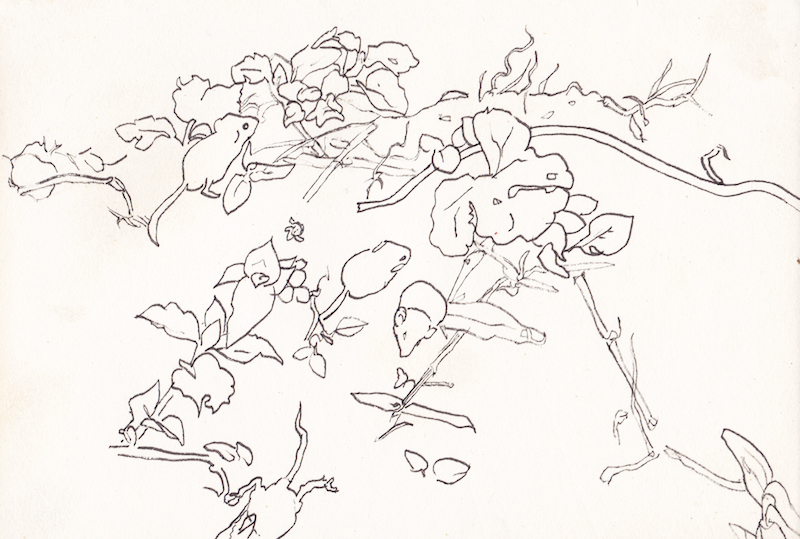
    Top: Untitled Drawing Ref. 11, from the series Drawings for Maati.

    Ink marker, whiteout on paper.

    4-1/2 x 7 in / 10 x 18 cm.

    Made in Colombia in 2013.

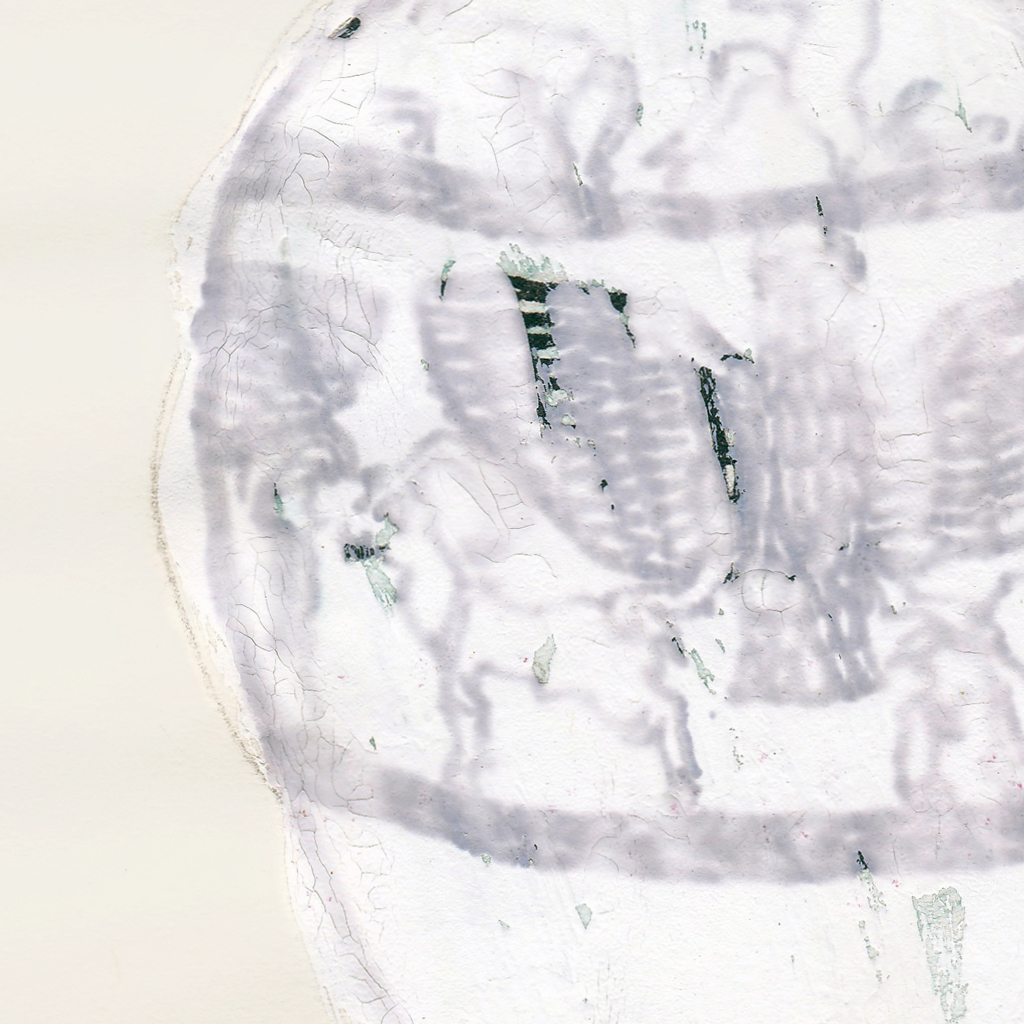
    Bottom: Detail of Untitled Drawing Ref. 35, from the series Drawings for Maati.

    Ink marker and whiteout on paper.

    4-1/2 x 7 in / 10 x 18 cm.

    Made in Colombia in 2013.

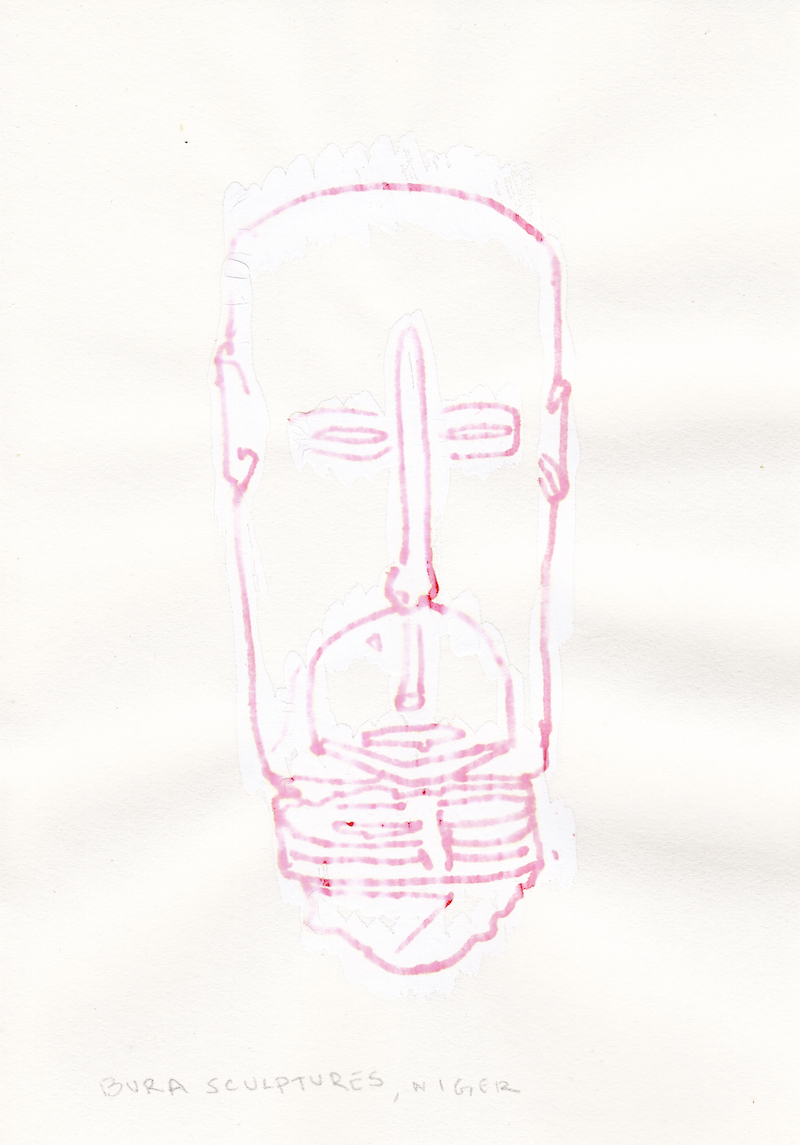
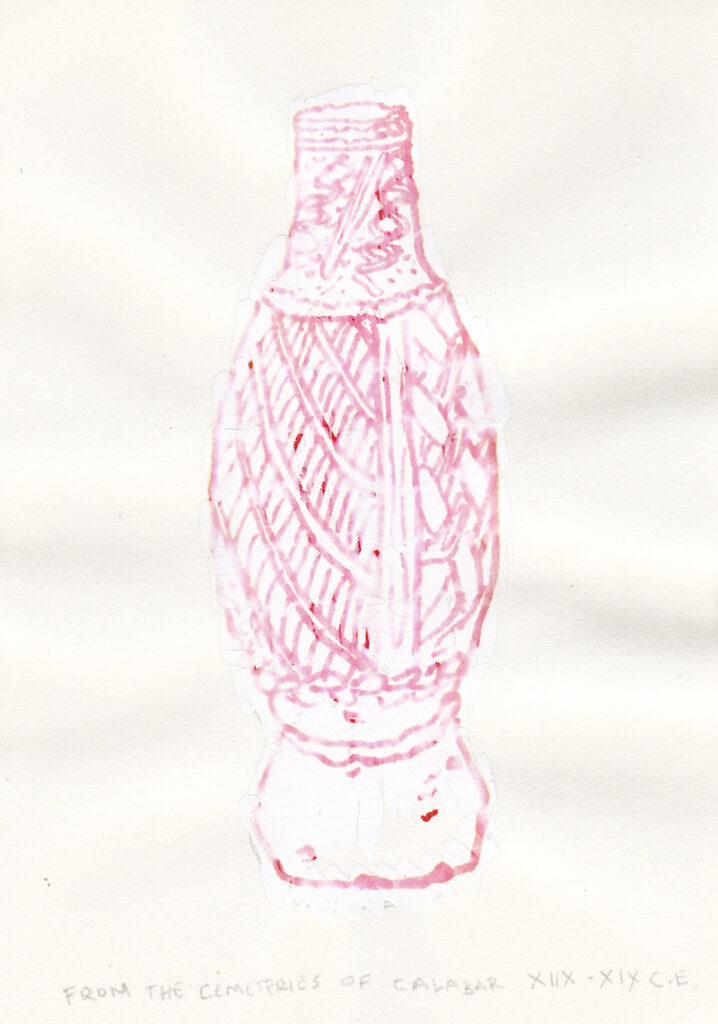
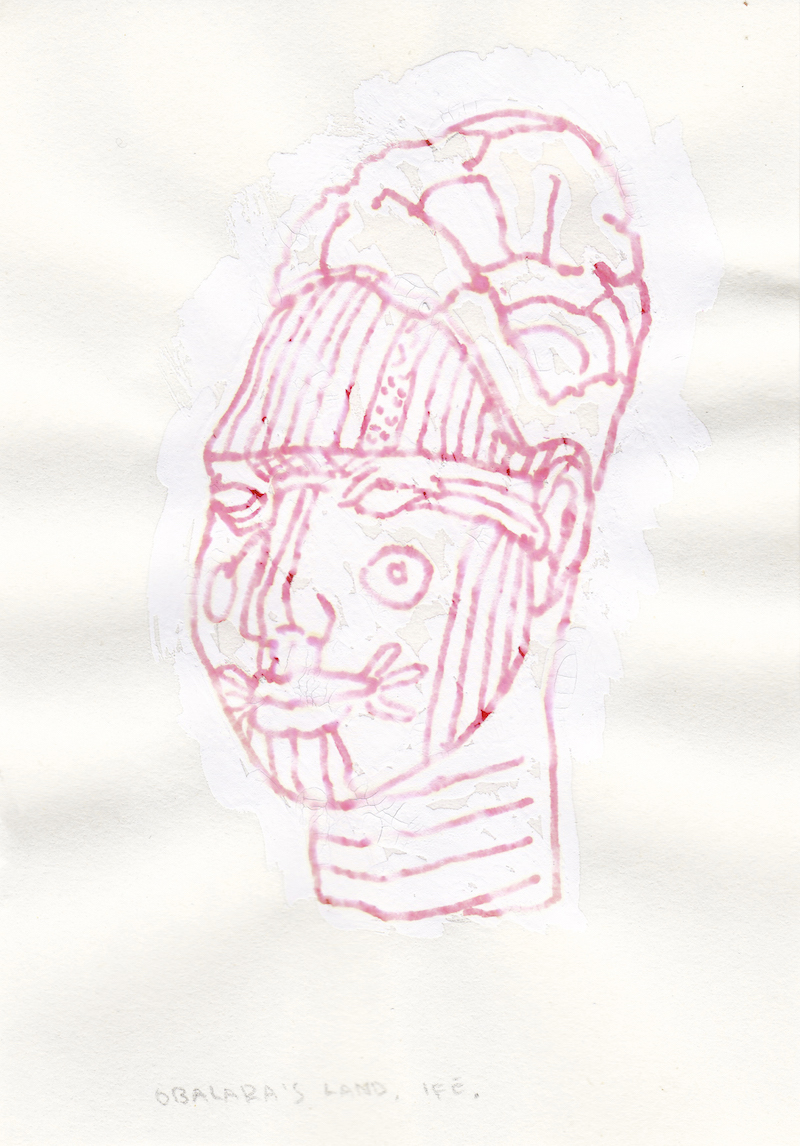
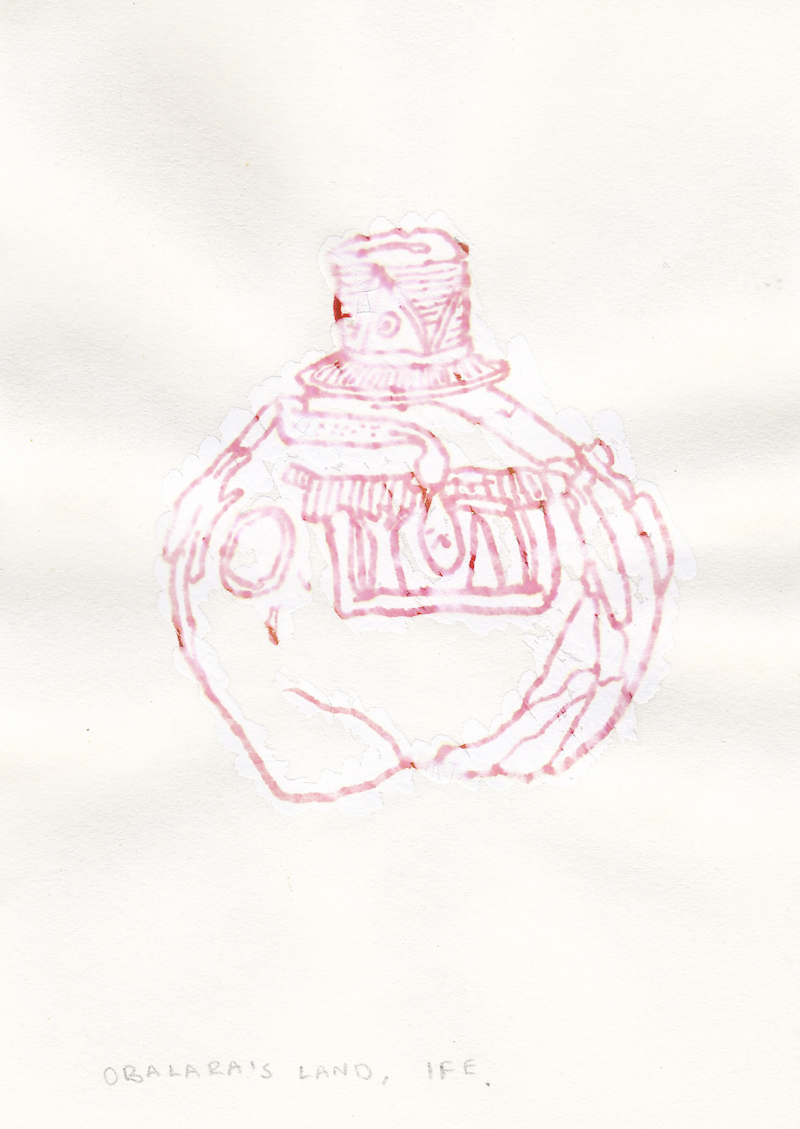
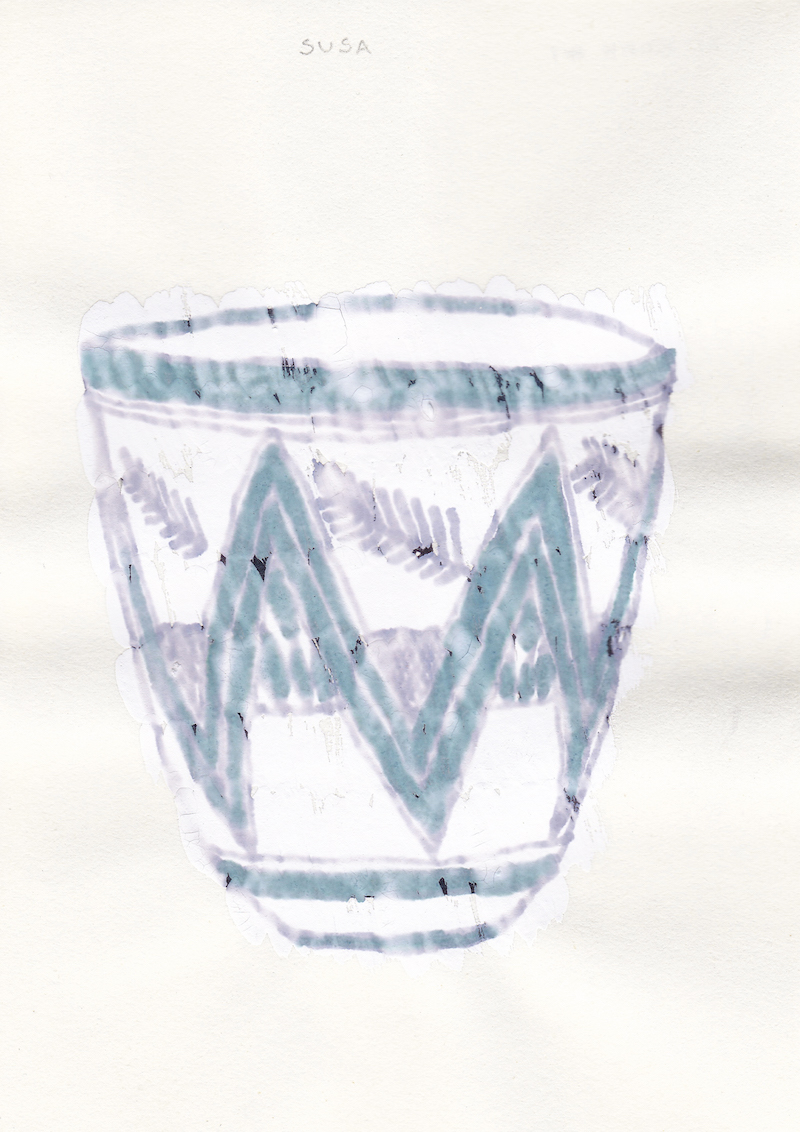
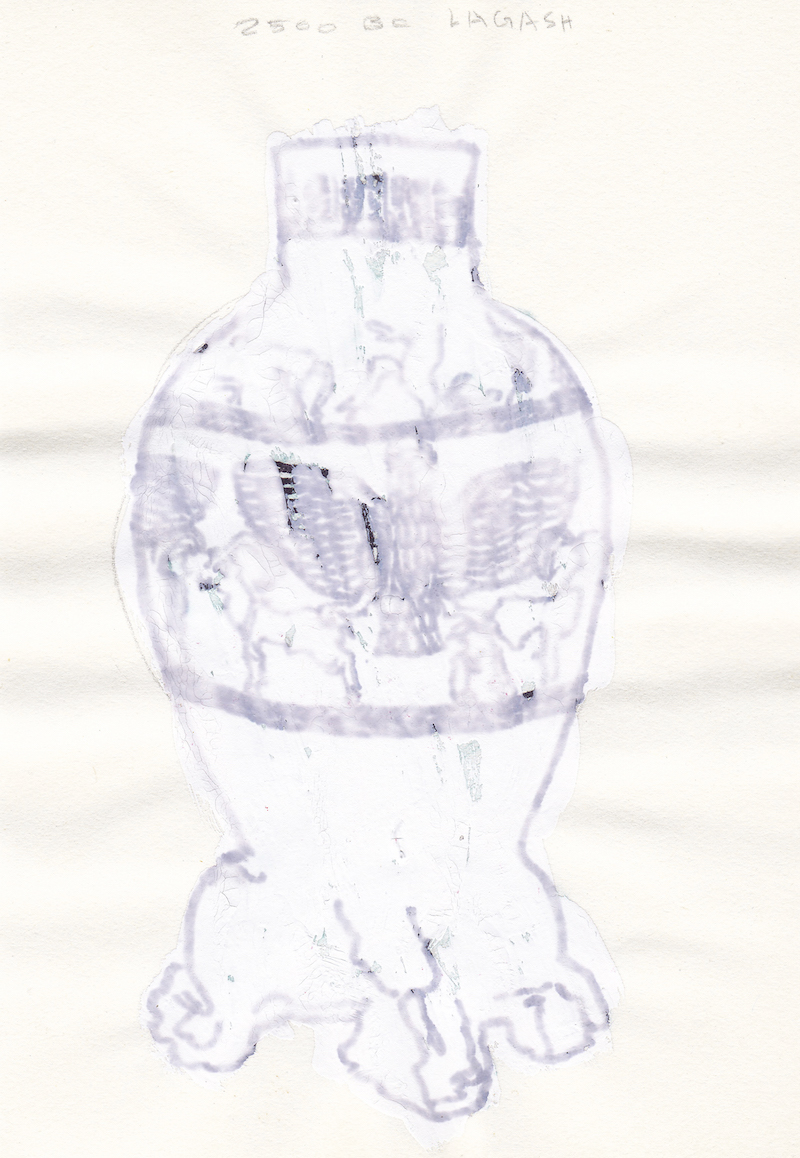
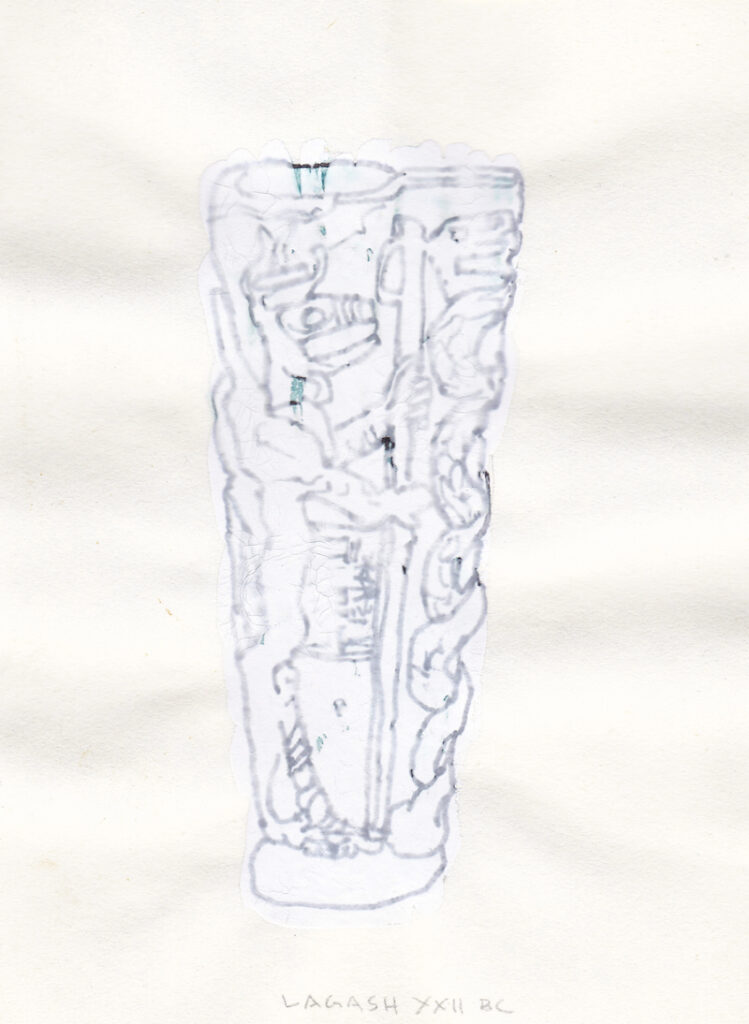
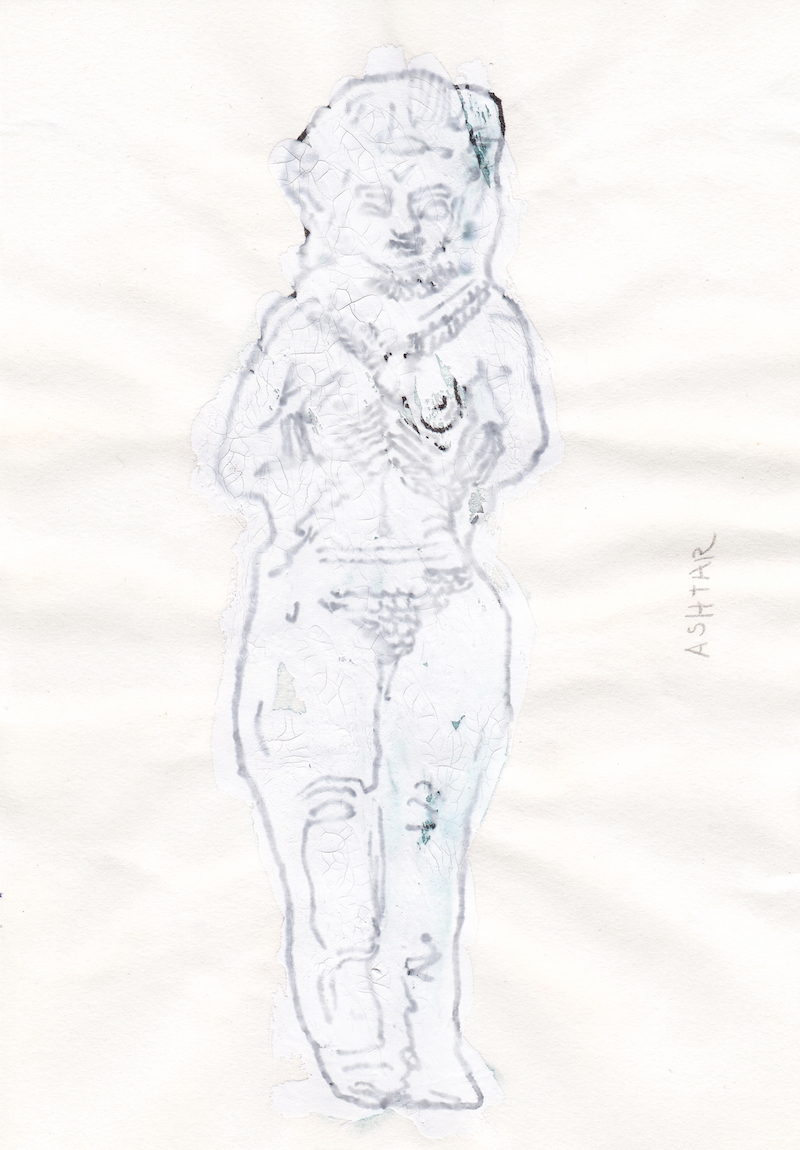
    These drawing are part of a series that depicts representative historic forms. The series uses the effect of ink bleeding to illustrate or allude to the constancy of memory. In this series, whiteout (the white correction fluid for covering typing or writing mistakes) becomes ineffective in its principal function because of the soluble marker dye. The gourd or seed form seen in the drawing at the top is a common pre-Columbian motif. The image at the bottom shows a three-square inch detail of another drawing.

    In this series, very ordinary materials such as whiteout and marker are utilized to produce pictorial and physical depth.  Whiteout, commonly used to erase writing mistakes, is used here for its stark reference to erasure and for its physical appearance. In combination with the bleeding effects of the marker ink, its brittleness and translucency is enough to generate atmospheric tonalities that push the image back pictorially and a slight textural relief that brings attention forth to the material surface.
    See full archive of drawings from this period.
    Go back

  • Amsterdam Double Chambered Vessel

    Amsterdam Double Chambered Vessel

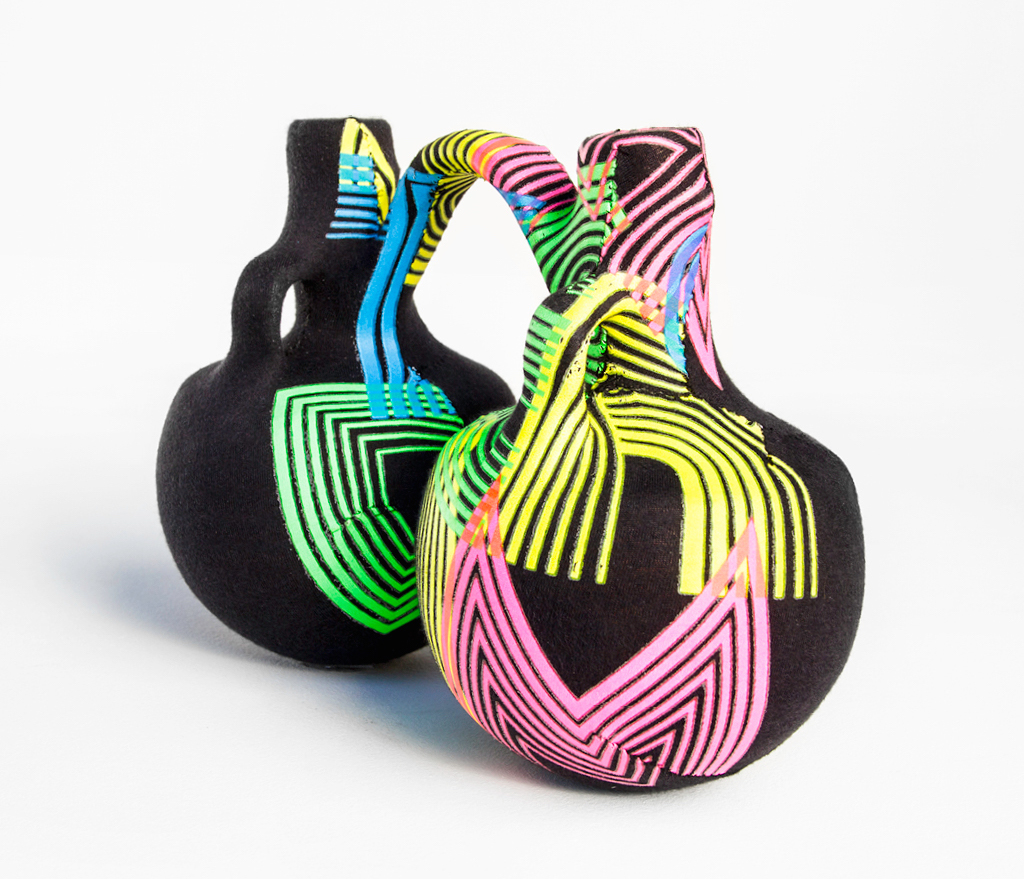
    Amsterdam Double Chambered Vessel.

    Slip-cast pre-Columbian imitation vessel, Amsterdam tourist shirt.

    18 x 11 x 17 in / 46 x 28 x 43 cm.

    Made in The Netherlands in 2013.

    Slip-casted terracotta objects with emblematic South American forms are often sold to tourists in souvenir shops around the subcontinent. The enveloped object was purchased in a souvenir shop in Medellin and covered with a tourist t-shirt from Amsterdam. The result is the distortion of two commercial representations of culture.

    Go back

  • Para Lola

    Para Lola

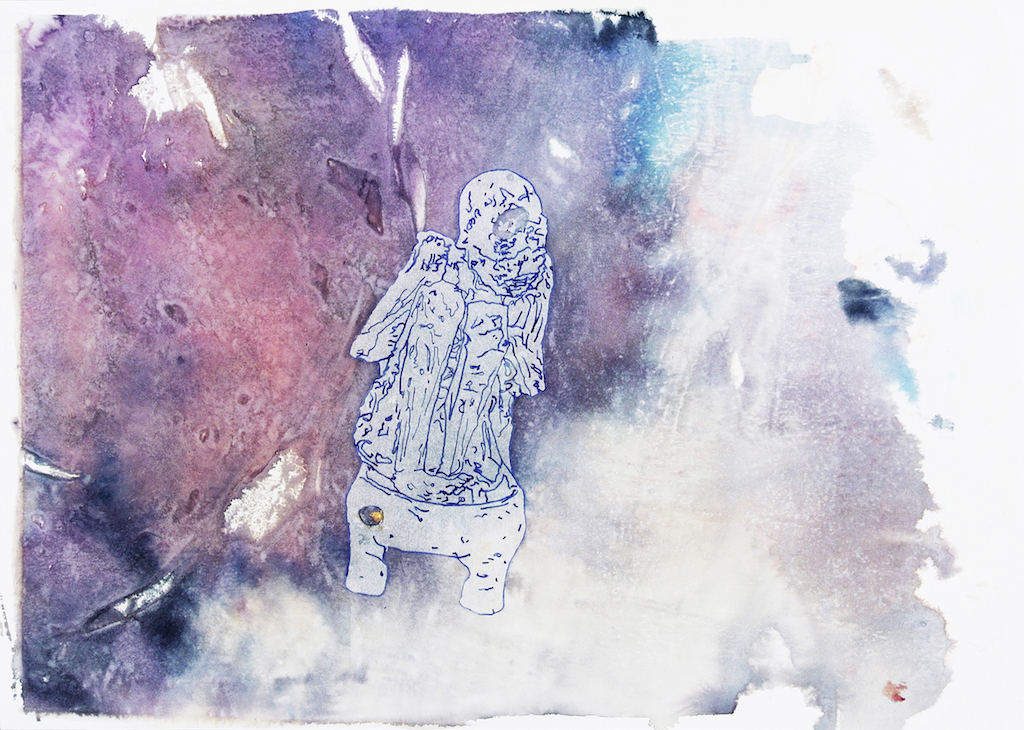
    Mummy.

    Inkjet ink and calcium carbonate on paper.

    8.5 x 11.5 in / 21.5 x 29 cm.

    Made in Colombia in 2013.

    Poporo.

    Inkjet ink and calcium carbonate on paper.

    17 x 8.5 in / 43 x 22cm.

    Made in Colombia in 2013,

    Mummy.

    Inkjet ink and calcium carbonate on paper, ink pen on vellum.

    16.5 x 12.5 in / 42 x 32 cm. 

    Made in Colombia in 2013.

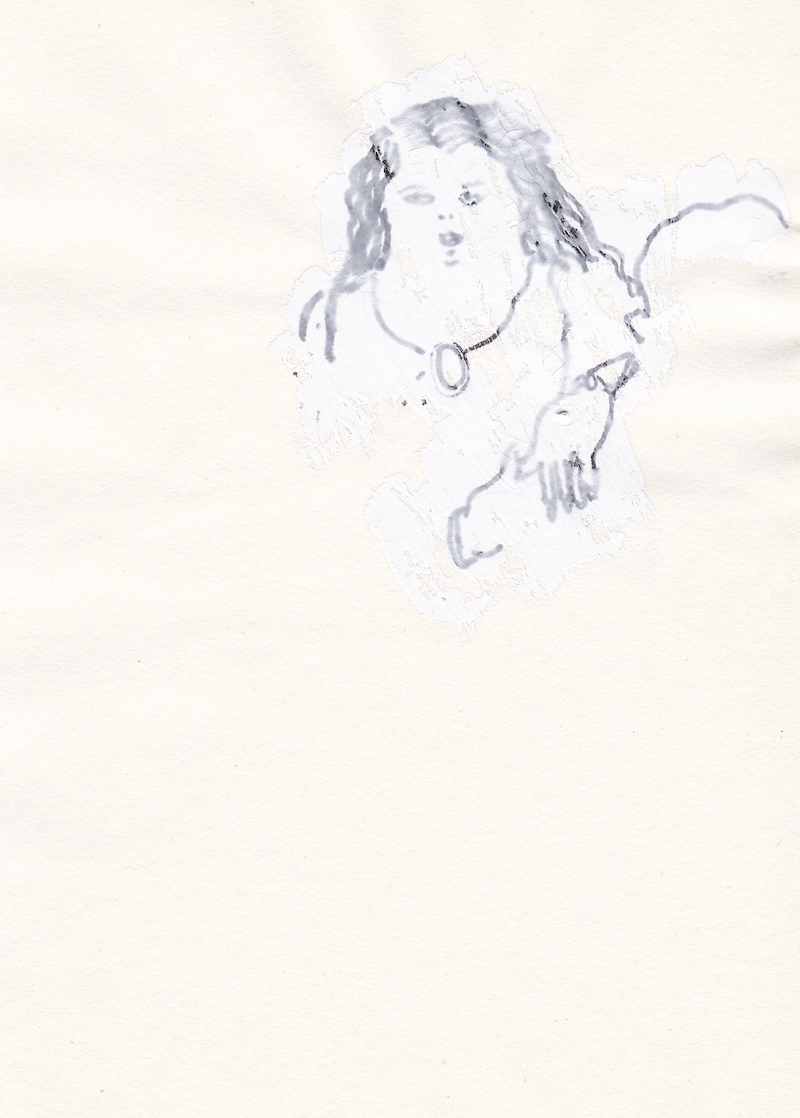
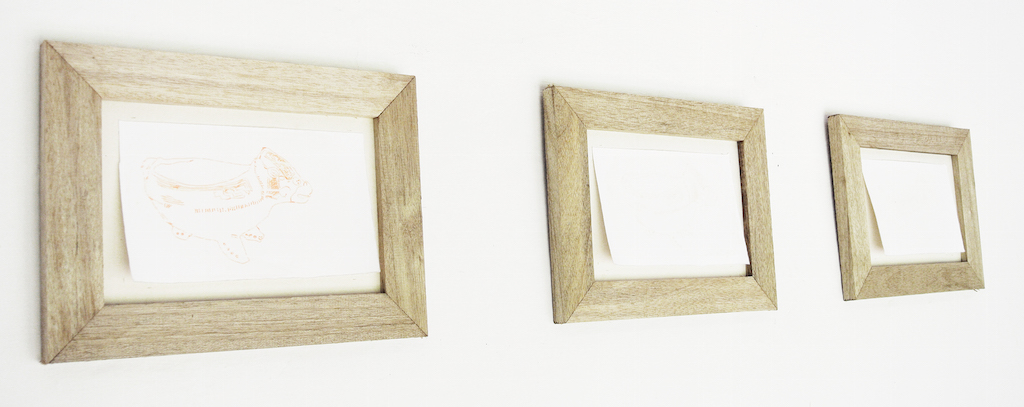
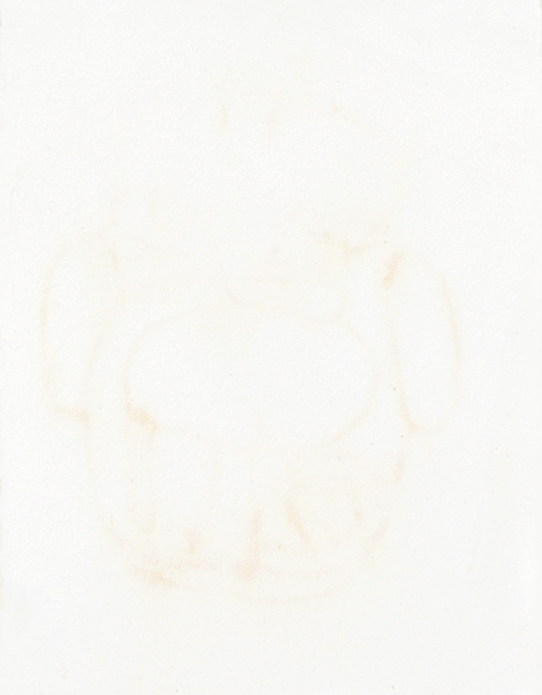
    These works on paper combine printmaking techniques and collage. They were made for the Exhibition Para Lola, organized at Campos de Gutiérrez and the Pablo Tobón Theatre in 2013.

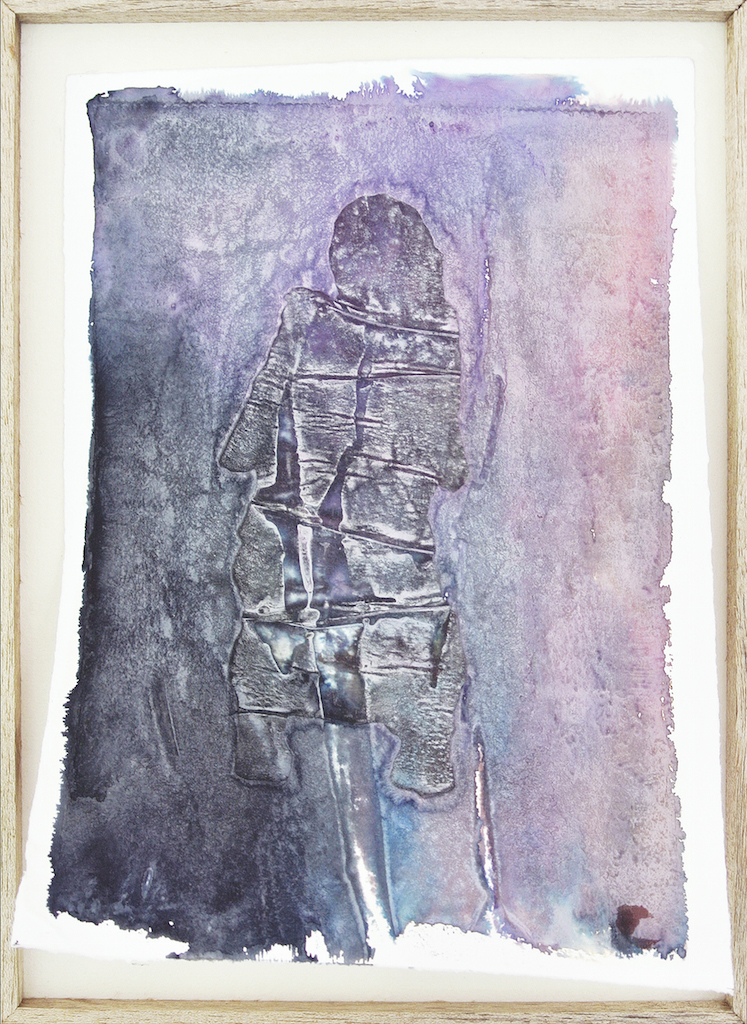
    Para Lola Triptych.

    Inkjet ink and calcium carbonate on vellum, mounted on vinyl.

    50 x 9-1/5 in / 127 x 23 cm, framed separately.

    Made in Colombia in 2013.

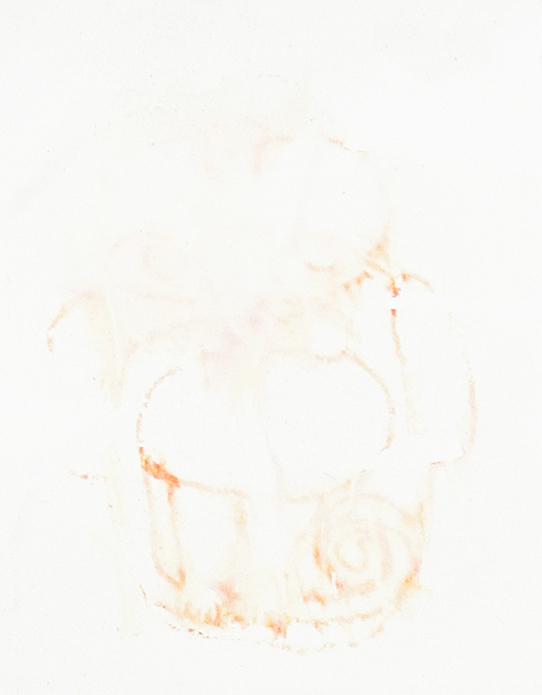
    A funerary ceremony celebrates a life that has just ended and a transition into another type of existence. These drawings celebrate the act of passing, highlighting the ephemerality of a tangible existence as a natural and desirable aspect of life. The images, made with volatile inks, disappear overtime.

    Owl and snake.

    Ink and calcium carbonate on paper.

    Each is 7 x 10 in / 18 x 25 cm.

    Made in Colombia in 2013.

    Go back

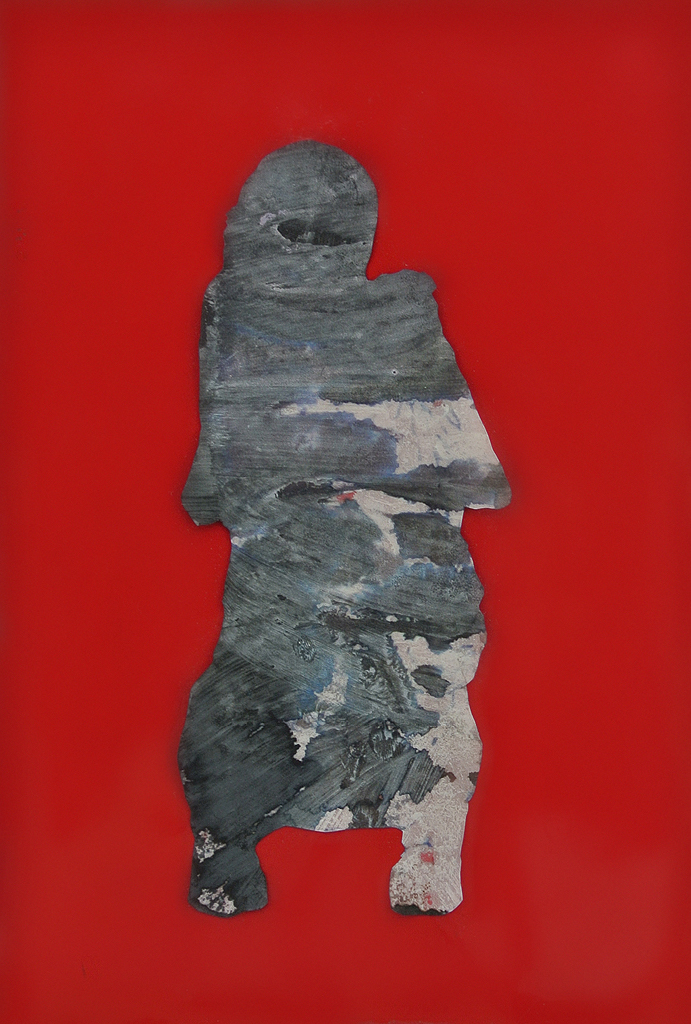
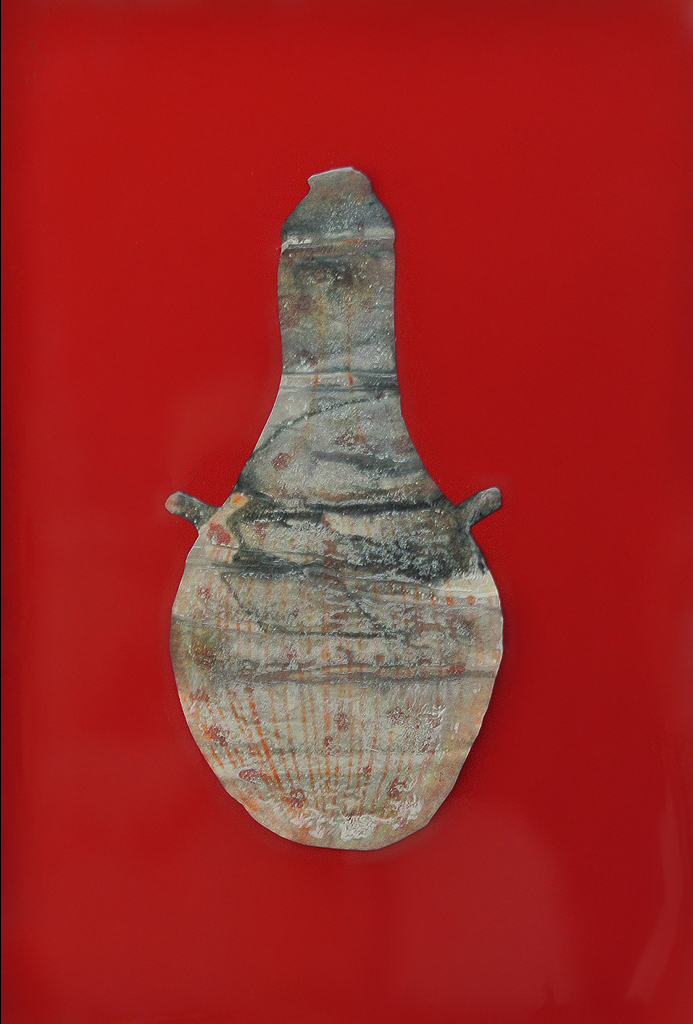
  • Peruvian Mummy and Poporo Diptych.

    Peruvian Mummy and Poporo Diptych.

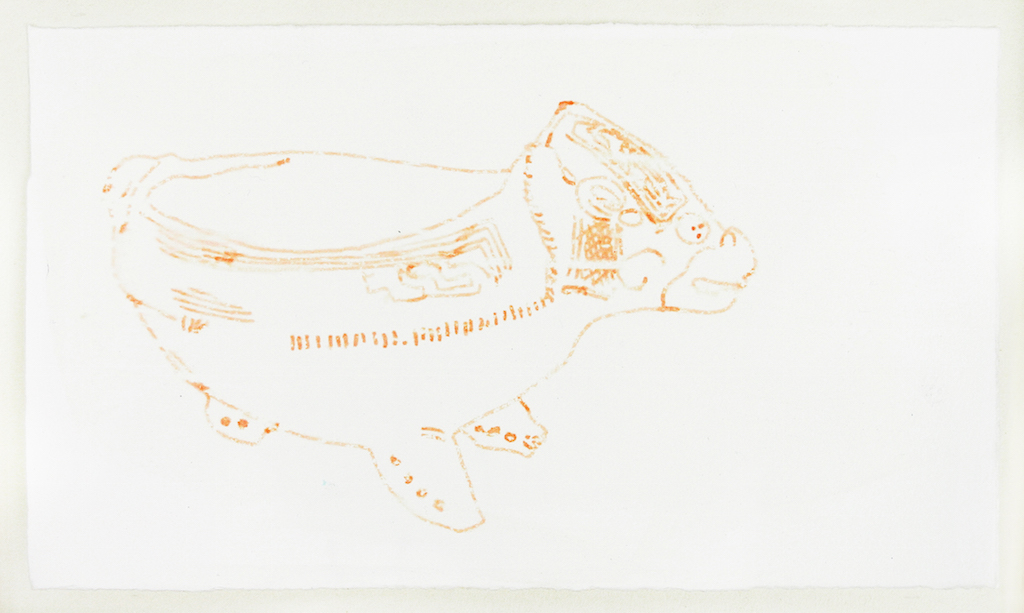
    Peruvian Mummy and Poporo Diptych.

    Inkjet ink and calcium carbonate on vellum, mounted on vinyl.

    7-1/4 x 10 in / 18 x 25 cm, framed separately in cedar wood.

    Made in Colombia in 2013.

    An exhumed Pre-Incan mummy placed in a diorama in Los Angeles received an attendance of 117,000 visitors in four months. The same diorama is now on display in Denver next to other mummified bodies from Peru and Egypt. This is an example of how intentional preservation can have adverse results when the preserved artifact outlasts the sovereignty of the preserver.

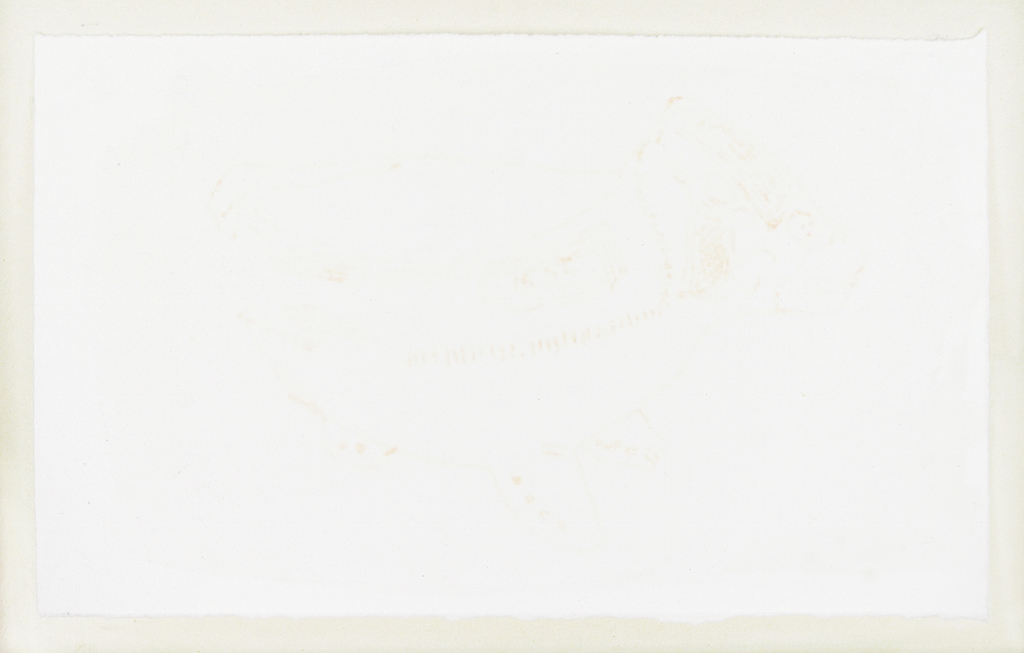
    These drawings were made with a combination of very durable materials such as vinyl and archival paper, as well as volatile inks like marker and inkjet. Other drawings from this series were made entirely with volatile inks that have completely vanished overtime.

    Go back

  • Exhumation fragments

    Exhumation fragments

    Exhumation Fragments.

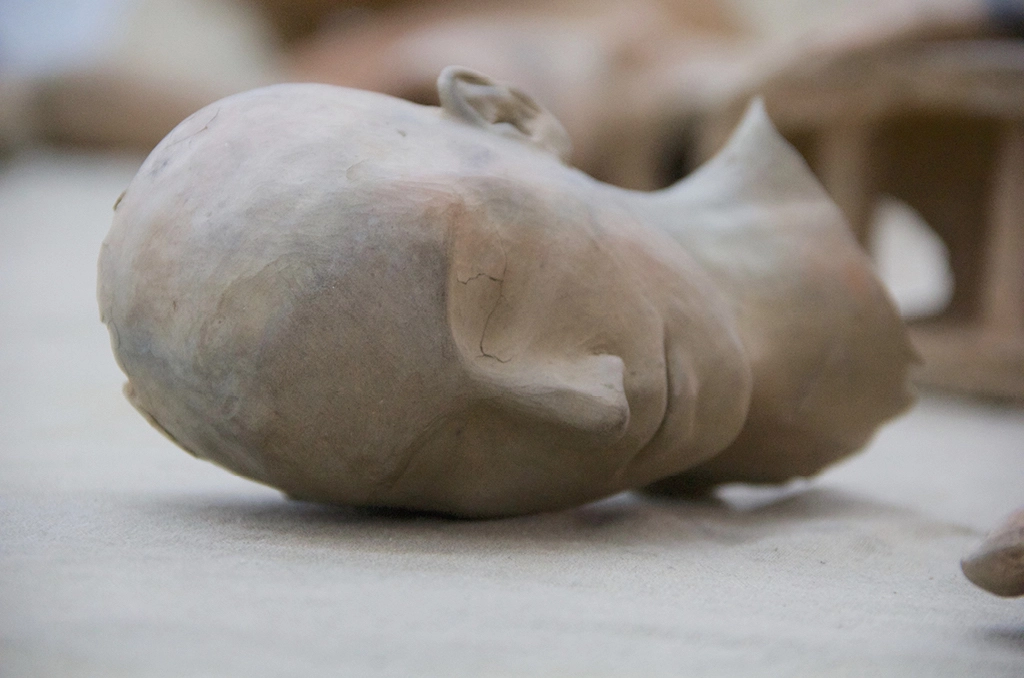
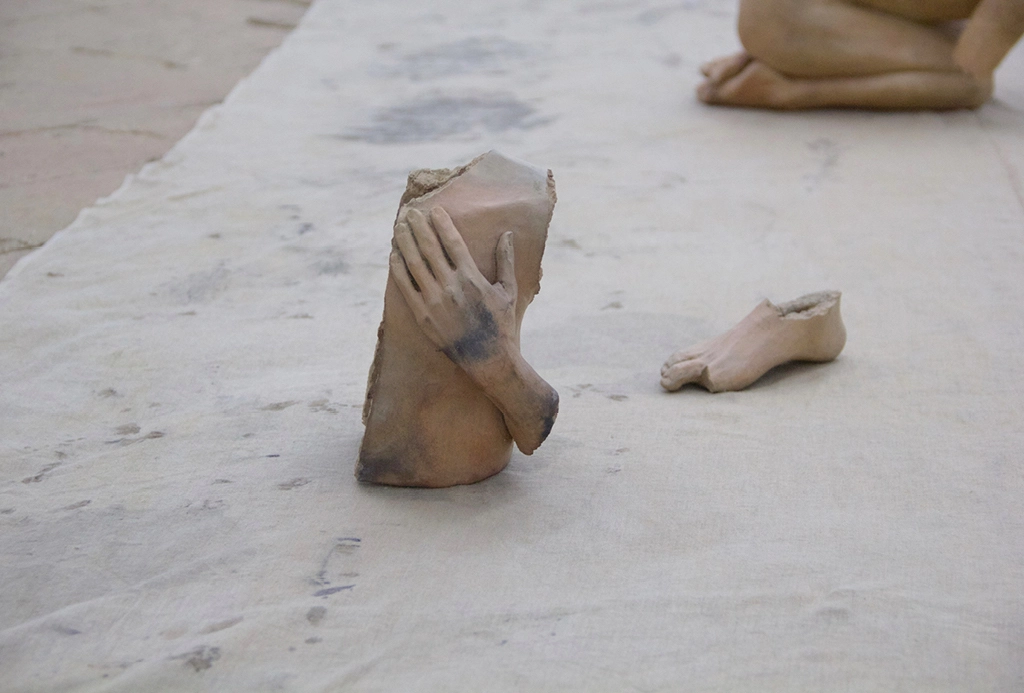
    Pit fired earthenware figures, buried and exhumed.

    13-1/4 x 8-1/4 x 9-1/5 in / 33 x 20 x 23 cm and other sizes.

    Made in Colombia between 2013 and 2014.

    The practice of exhumation is a permanent subject of philosophical debate. These figures are symbolic of a universal contradiction in the fields of archeology, anthropology, and museology. While these fields are concerned with the study, preservation and display of artifacts, they often violate or challenge the fundamental purpose of their original interment.

    Most of the figures from this series remained buried for months and were later extracted while some others are still underground. The series is composed of six individual figures. Some of them were made in distinct fragments but most broke or fractured under the weight of the earth or in the processes of extraction.

    Go back